

Cart
0

Collection: Salt Tablets
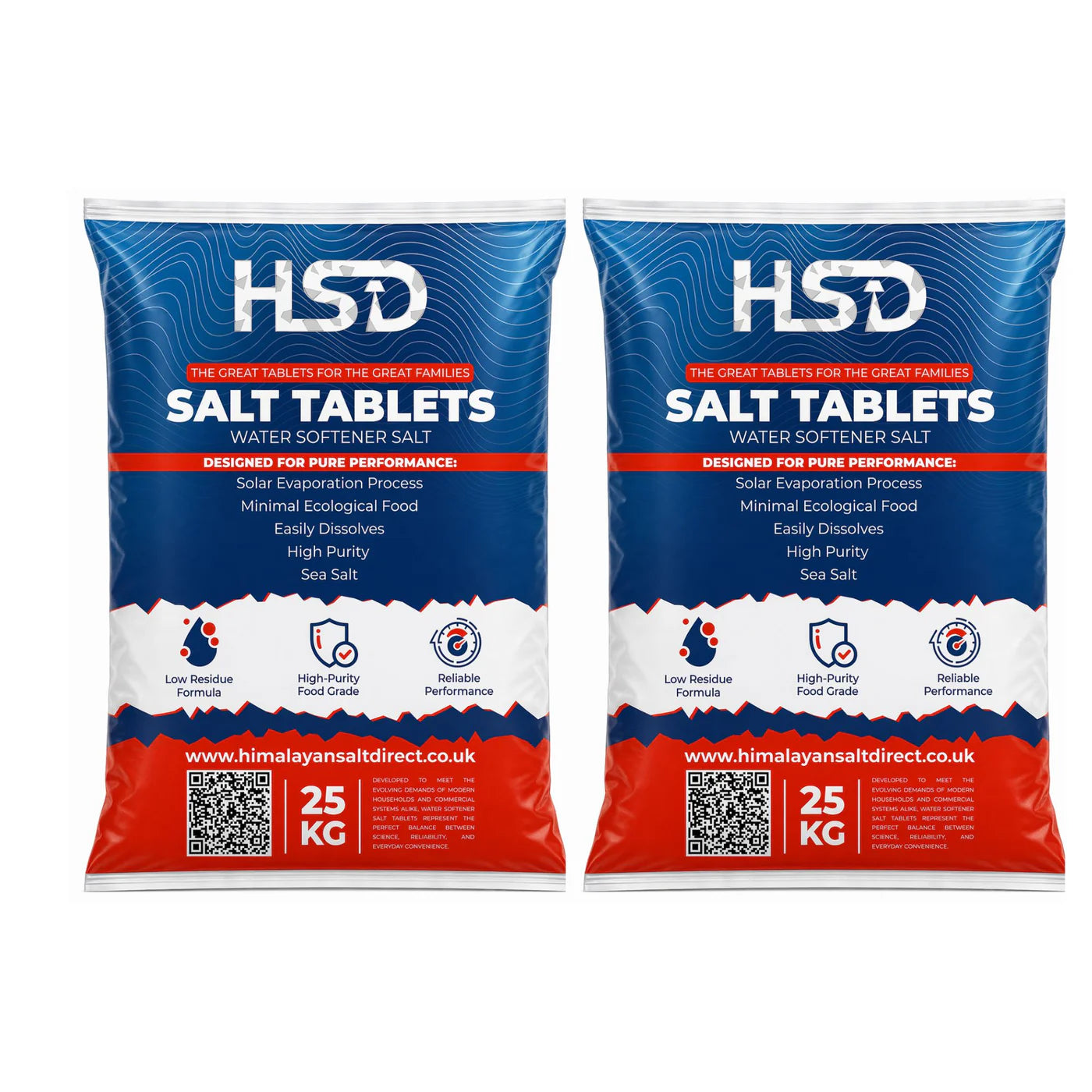


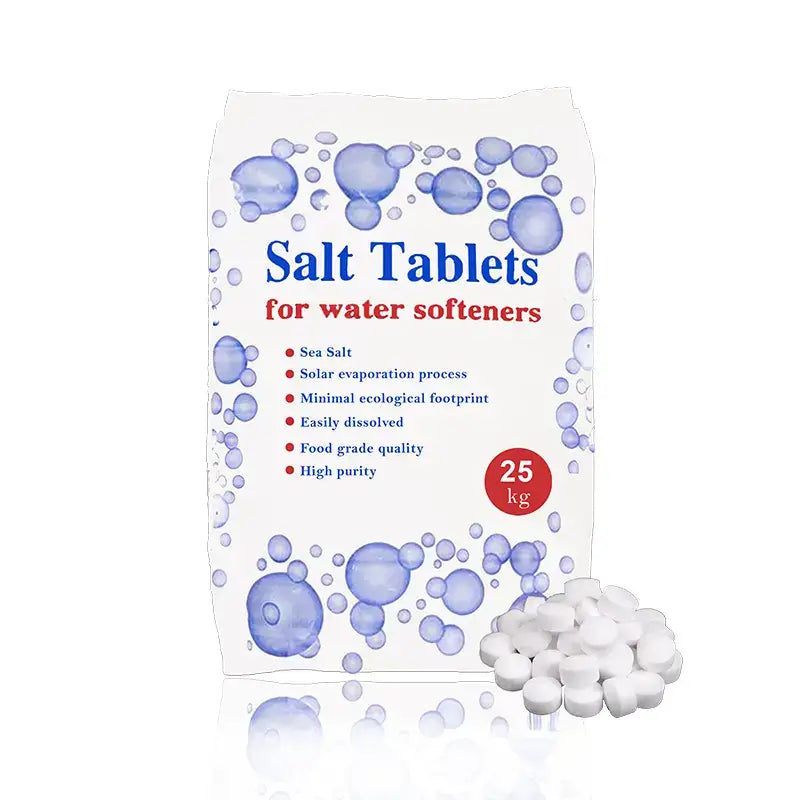
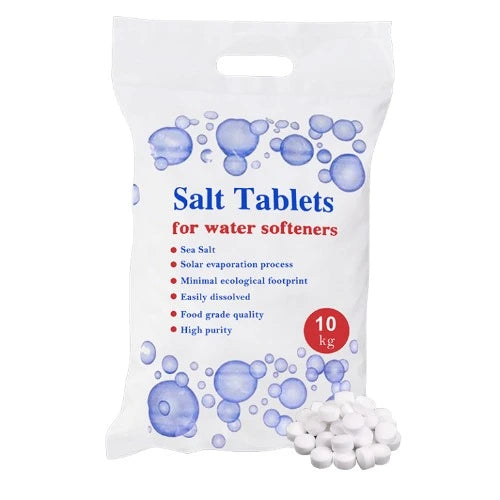
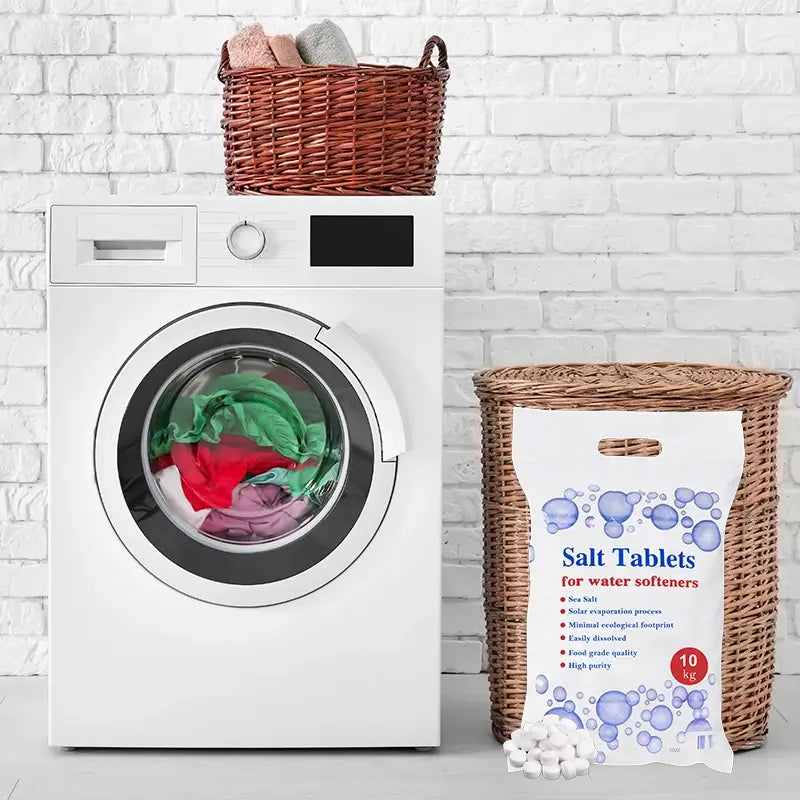
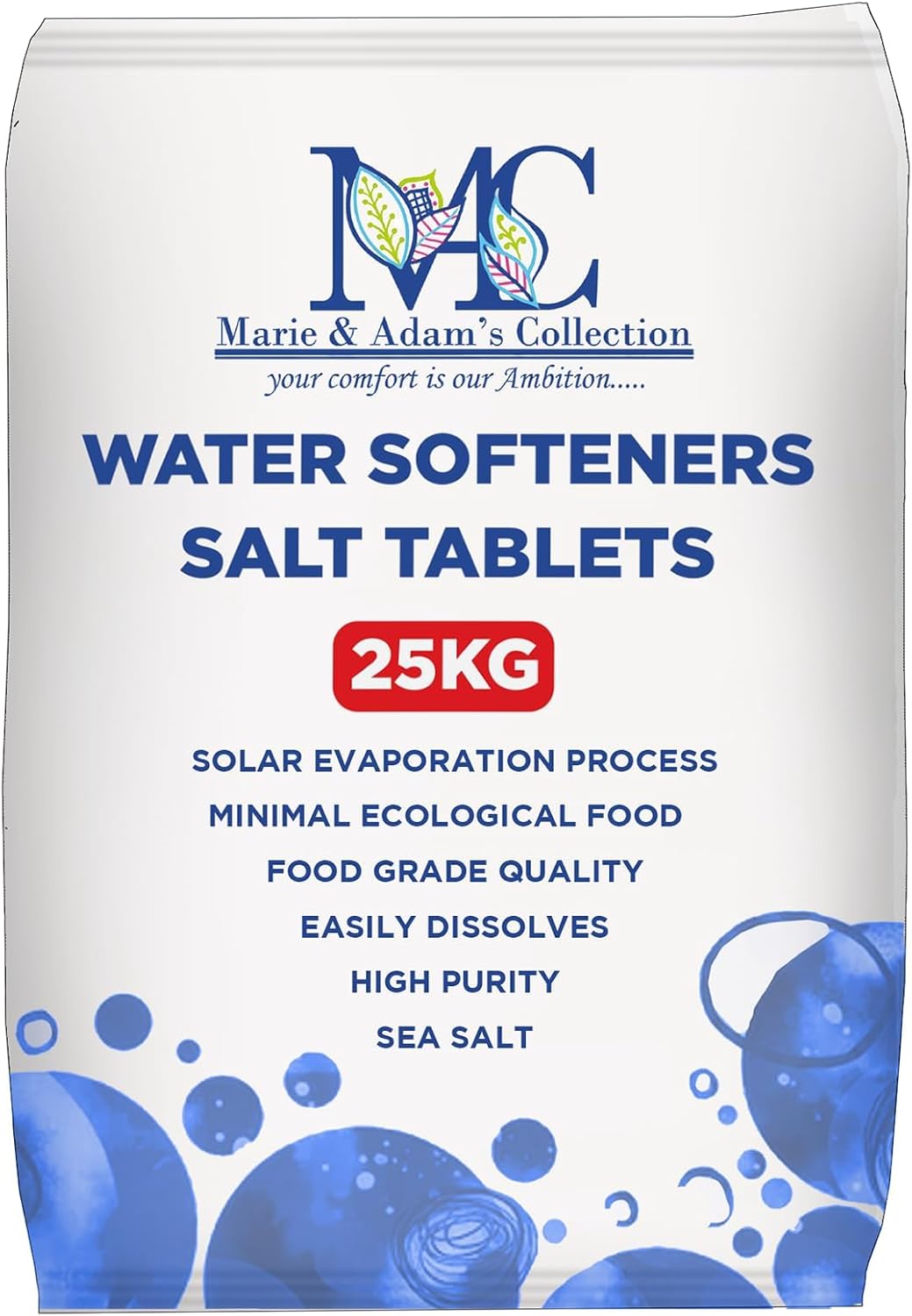
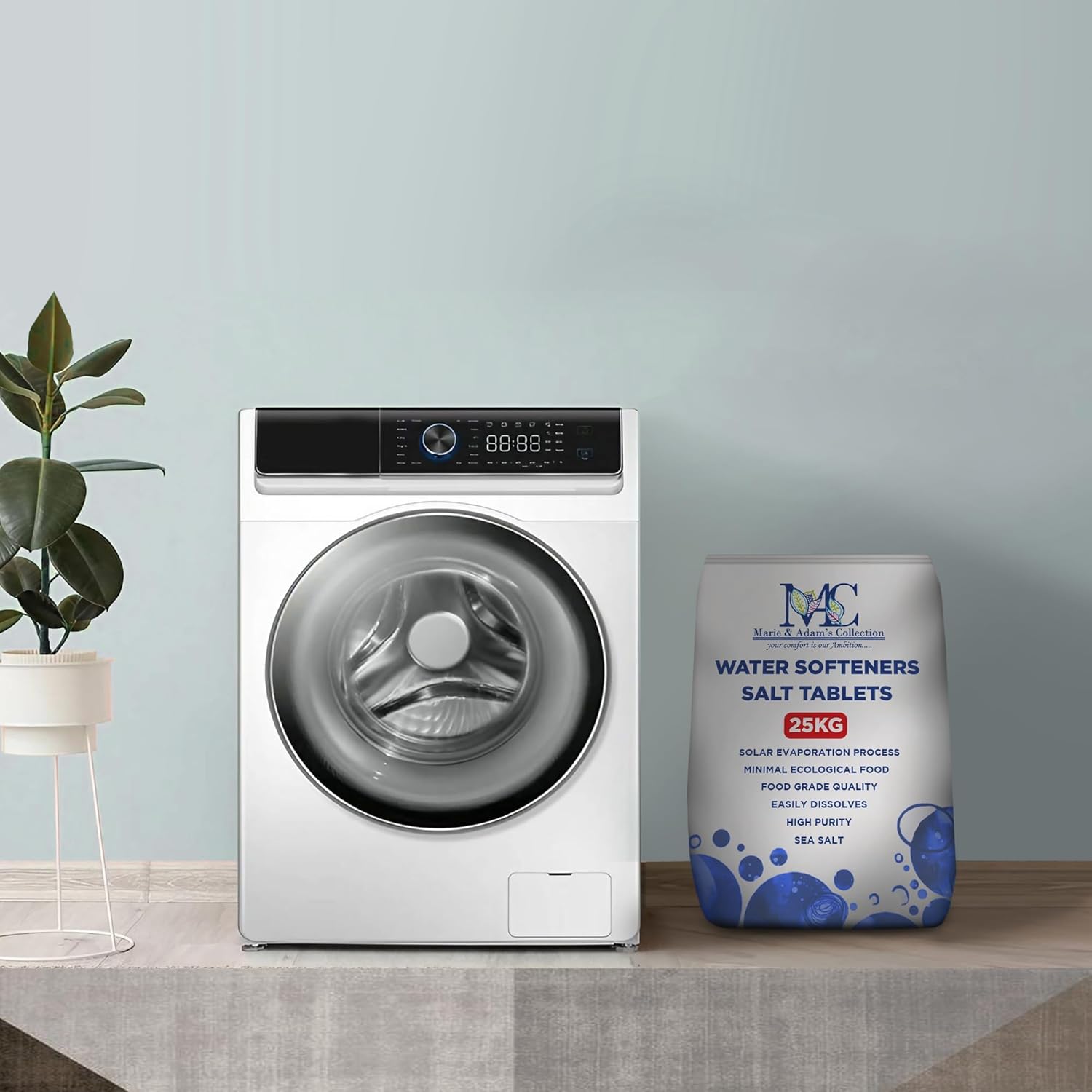
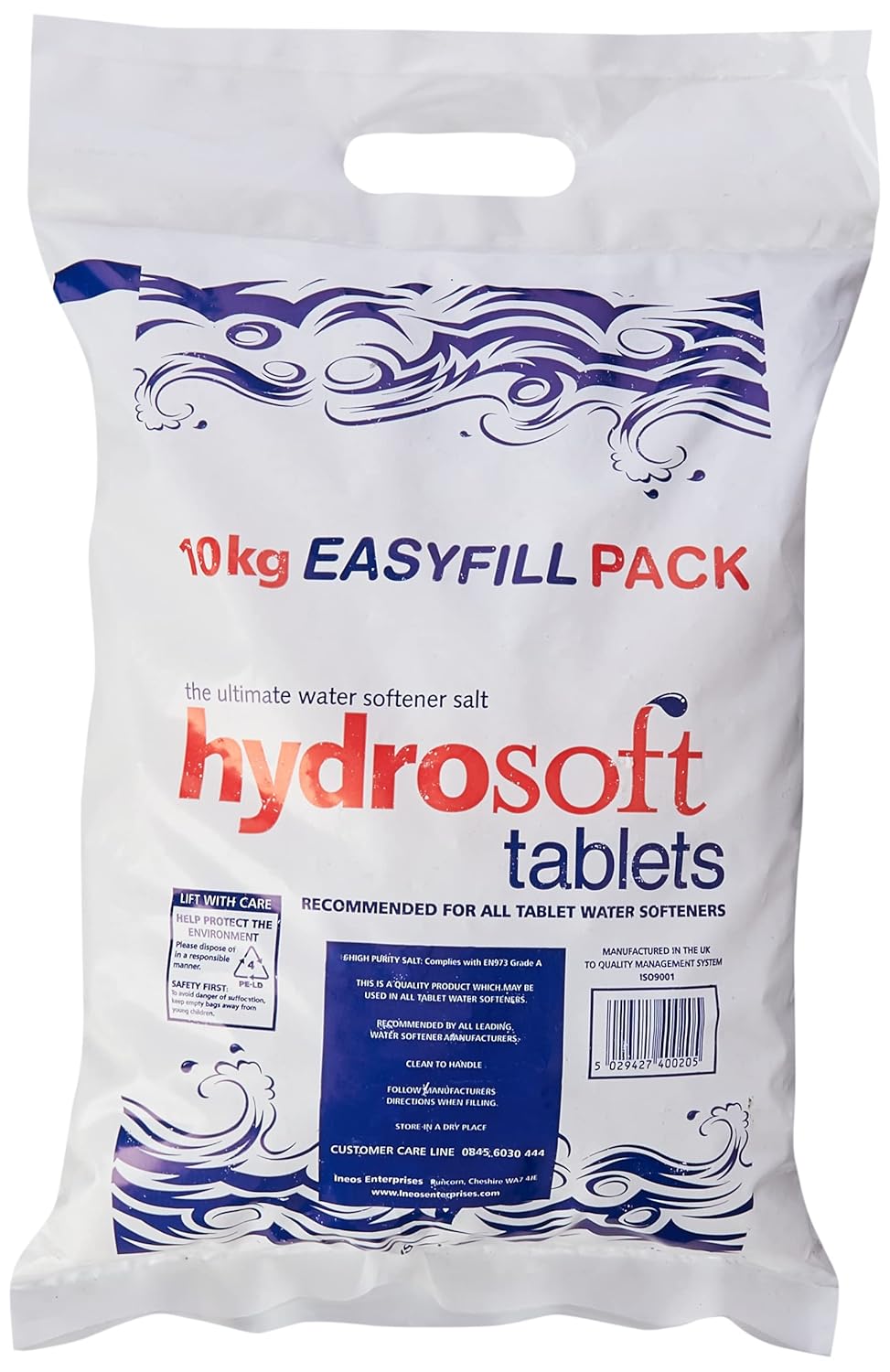

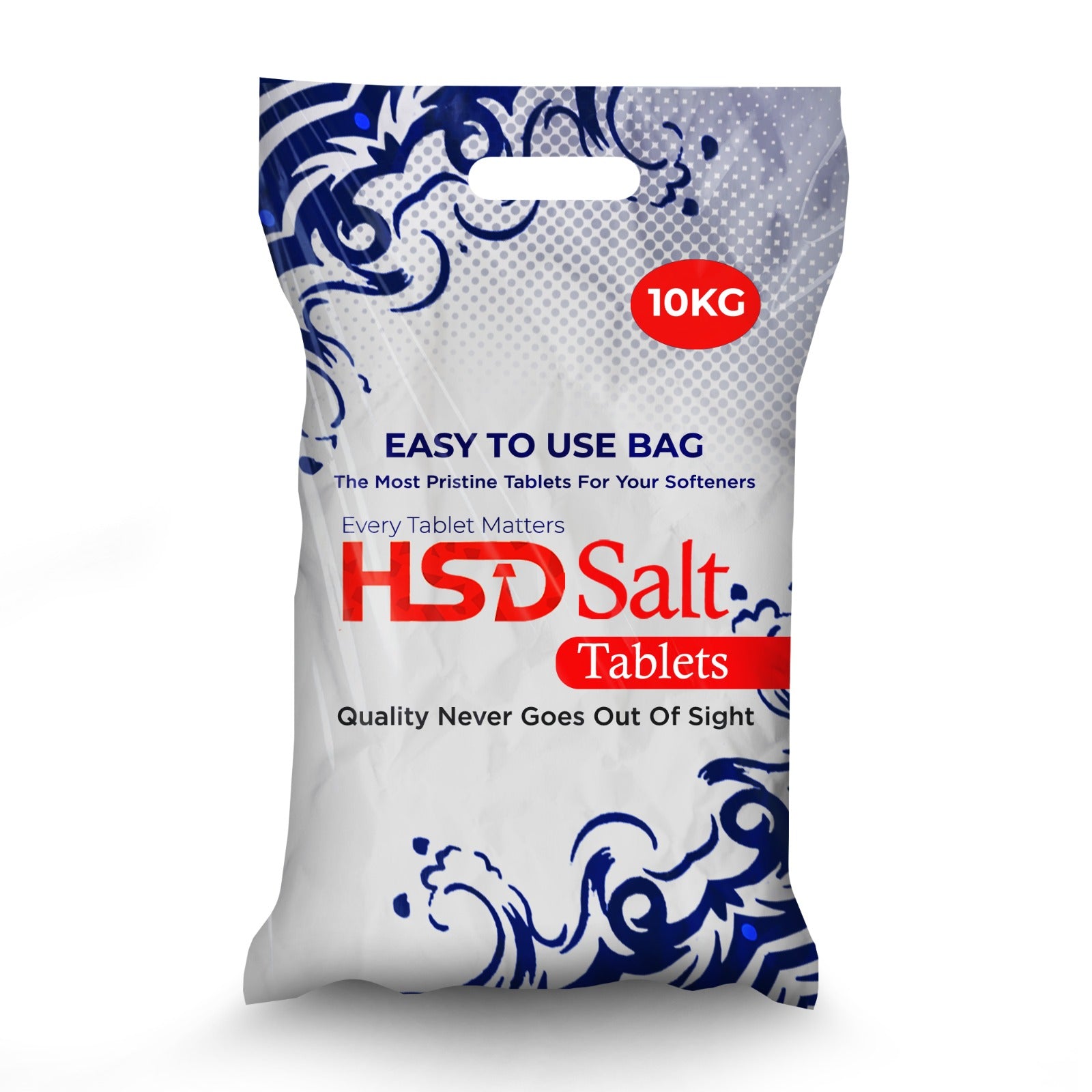
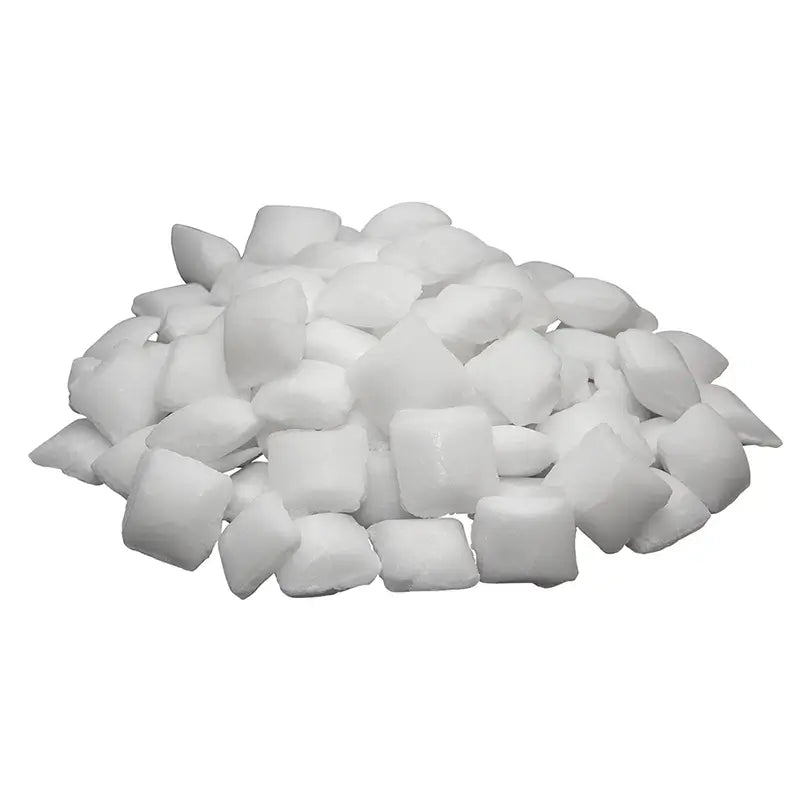

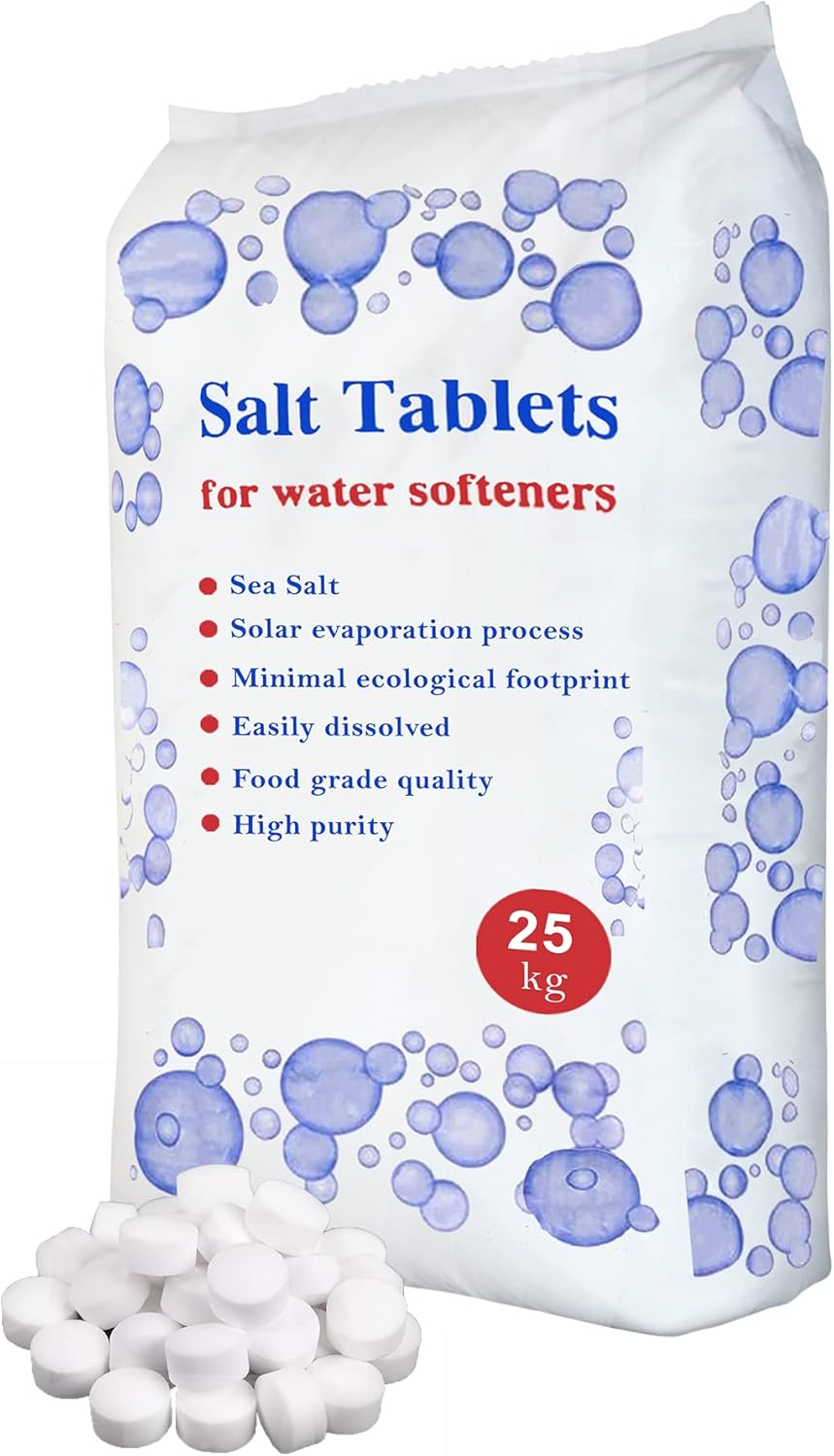
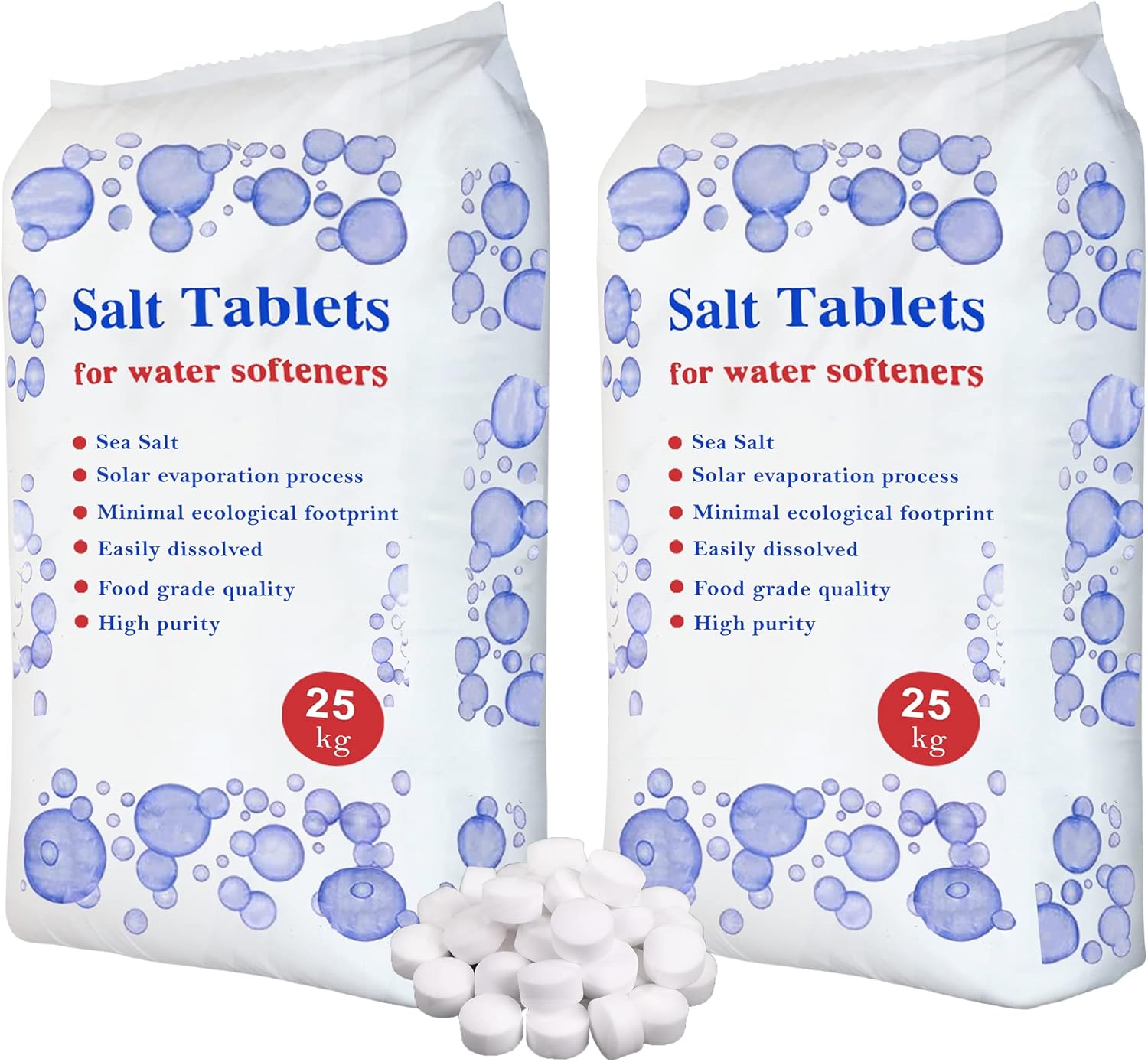
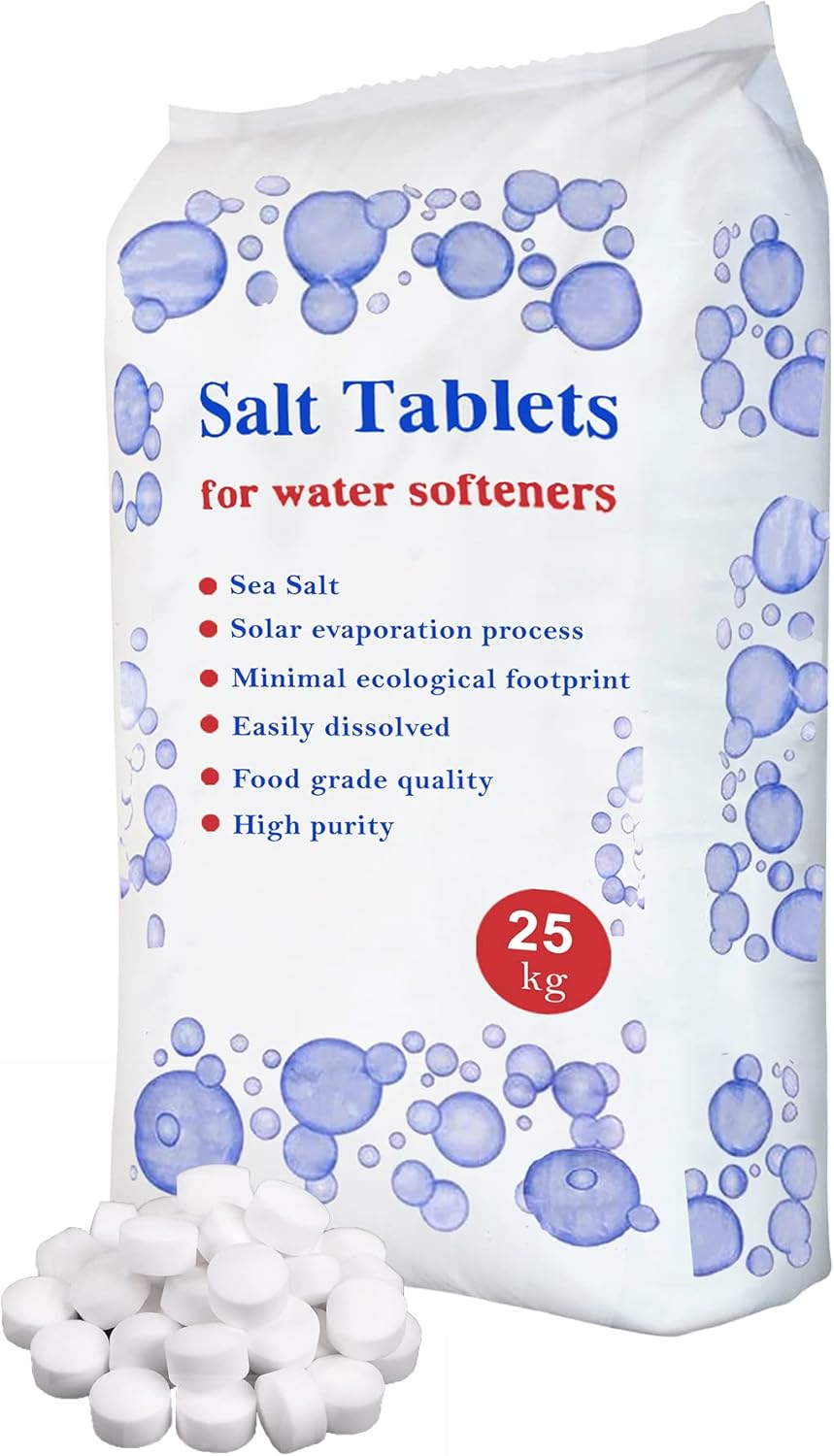

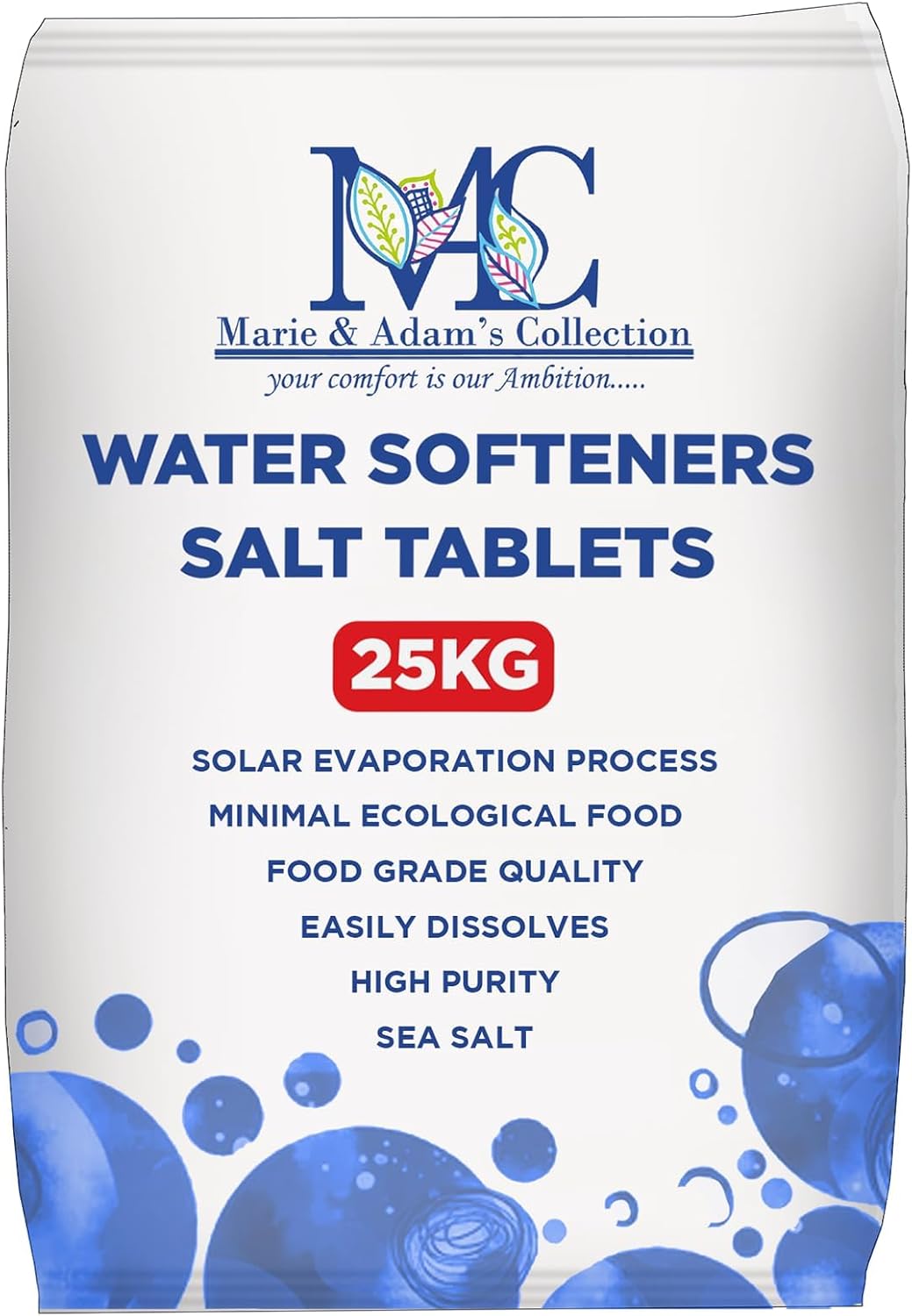
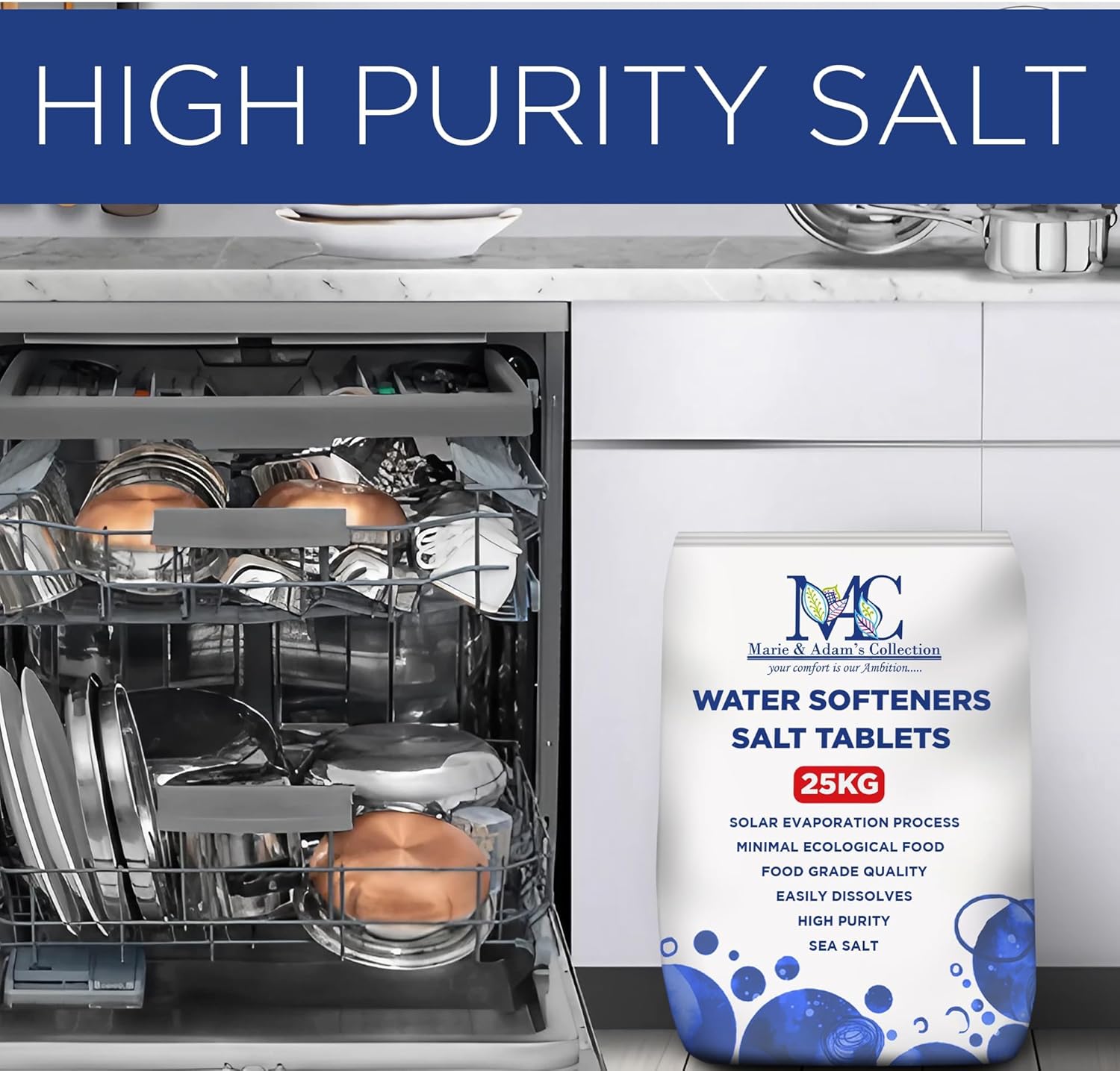


Water Softener Salt Tablets — Food-Grade, Fast-Dissolving & Trusted by UK Homes Since 2012
Hard water affects over 13 million homes across the UK, and a tablet-format water softener is one of the most effective ways to protect your appliances, pipes, and boiler from limescale build-up. Every bag of water softener salt tablets in this collection is manufactured from 99.9% pure food-grade sodium chloride, compacted under high pressure to EN 973 Type A standard, and compatible with virtually every metered and demand-regeneration softener available in the UK.
Whether you run a BWT, Monarch, Culligan, Tapworks, Kinetico CP series, or a Water2Buy unit — and whether you buy in 10kg bags for convenience or 25kg bags for value — you'll find the right tablet salt right here, dispatched next working day from our Manchester warehouse.
What Are Water Softener Salt Tablets?
Salt tablets (sometimes called tablet salt, PDV salt tablets, or water softening tablets) are small, pillow-shaped or cylindrical pellets of compressed sodium chloride designed for use in metered and electrically controlled water softeners. Unlike block salt — which sits in a dedicated block-format brine chamber — tablet salt pours loose into a brine tank, where it dissolves gradually to produce the saline solution your softener uses to regenerate its resin beads.
Each regeneration cycle strips the resin of accumulated calcium and magnesium, restoring its capacity to keep treating your mains water before it reaches your taps, boiler, and appliances.
Which Water Softeners Take Tablet Salt?
Most metered, electric, and single-tank softeners sold in the UK use tablet salt. Block-format softeners (Harvey's, Kinetico standard range) do not. If you are unsure, check the label inside your softener cabinet or the model name — if it mentions 'brine tank' or 'salt container', it almost certainly takes tablet salt.
|
Softener Model / Brand |
Salt Type Required |
Recommended Pack |
|
BWT / Aquatec / Water2Buy |
Tablet (25mm) |
10kg or 25kg bags |
|
Monarch / Tapworks |
Tablet (25mm) |
10kg or 25kg bags |
|
Culligan (metered units) |
Tablet salt |
25kg bags recommended |
|
Kinetico CP series |
Tablet (NOT block) |
25kg bags recommended |
|
Harvey (standard models) |
Block salt (see block range) |
Block format only |
|
W2B200 / AquaHouse 9L |
Tablet salt |
10kg or 25kg bags |
Why Food-Grade PDV Tablet Salt Matters
Our tablet salt is produced from Pure Dried Vacuum (PDV) salt — the same production method used for food-grade salt, dried at high temperature to remove moisture, trace impurities, and any organic content. This matters because:
- Low-grade or sea-harvested salt can contain silica, algae spores, and organic residues that accumulate inside your softener brine tank and damage the resin bed over time.
- PDV salt meets BS EN 973:2009 — the British and European Standard for water softener salt — ensuring consistent tablet hardness, clean dissolution, and no sediment build-up.
- Using off-spec salt can void your softener warranty. Our salt meets or exceeds every major manufacturer's specification.
10kg vs 25kg — Which Pack Size Is Right for You?
10kg bags work well for households with one or two people, those just starting out with a new softener, or anywhere with limited storage space. 25kg bags are the better-value choice for families of three or more, households in very hard-water areas (above 250 ppm), and anyone who refills frequently. The cost-per-kilogram on a 25kg bag is significantly lower, and with our bulk bundle options the saving grows further.
Why Himalayan Salt Direct
- 99.9% purity, EN 973 Type A certified — no additives, no anti-caking agents, no residue.
- Next working day delivery on mainland UK orders placed before 2 pm.
- Trusted since 2012 — over a decade supplying UK homes, hotels, laundries, and commercial sites.
- Competitively priced because we import direct and hold bulk stock in Manchester — the savings pass straight to you.
- Available in 10kg and 25kg bags, and multi-bag bundles for bulk buyers.
FAQs — Water Softener Salt Tablets
How long does a 25kg bag of salt tablets last?
For a household of 3–4 people in a hard-water area (200–300 ppm), one 25kg bag typically lasts 4–6 weeks. Households in very hard areas (300+ ppm) or with higher water usage may go through a bag every 3–4 weeks. Your softener's salt level indicator is the most reliable guide.
Can I use any brand of tablet salt in my softener, or does it have to match the manufacturer?
Any food-grade tablet salt meeting BS EN 973 Type A works in all UK metered softeners — including BWT, Monarch, Culligan, Tapworks, and Kinetico CP units. You do not need manufacturer-branded salt. Check your warranty terms if your softener is under a recent service contract, but in the vast majority of cases, certified PDV tablet salt from any reputable supplier is fully compatible.
My softener is using more salt than usual — is something wrong with the tablets?
Increased salt consumption is almost never caused by the tablets themselves. The most common causes are a change in your water hardness (which fluctuates seasonally in the UK), a regeneration timer set too frequently, or a slow valve fault causing unnecessary regeneration cycles. Check your softener's regeneration settings first. If consumption has doubled suddenly, contact your softener engineer.
What is PDV salt and why does it matter for my softener?
PDV stands for Pure Dried Vacuum salt — it's produced by evaporating brine under vacuum, then drying at high temperature. The result is an exceptionally pure salt (99.9%+ NaCl) free from organic residues and silica that can foul a softener resin bed. It's the industry standard for UK water softener tablets and meets BS EN 973.
Are salt tablets safe for a combi boiler system?
Yes. Soft water produced by a tablet-salt softener is safe for combi boilers and all sealed central heating systems. In fact, softened water actively protects your boiler by preventing limescale accumulation on the heat exchanger — the most common cause of reduced boiler efficiency and early failure in hard-water areas.