Cart
0
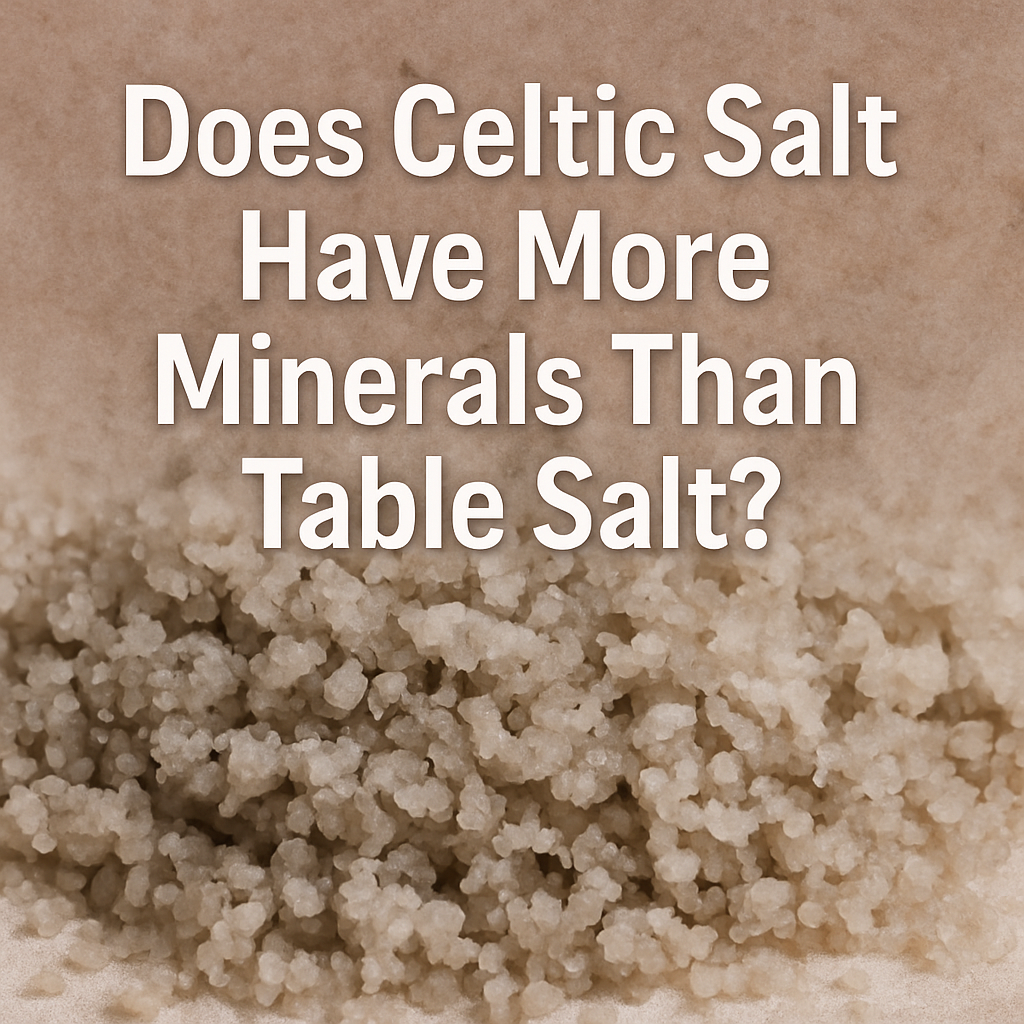
Celtic salt contains a much wider range of minerals than regular table salt. It is hand-harvested from coastal areas of France and is known for its soft, grey color and natural mineral balance. Unlike table salt, which is heavily refined and stripped of nutrients, Celtic sea salt is unrefined and packed with trace elements that support hydration, muscle function, and overall wellness.
What Makes Celtic Salt Unique?
Celtic salt, also known as French sea salt or sel gris salt, comes from the salt marshes of Brittany, France. It is harvested using traditional wooden tools that protect its natural structure and preserve its mineral content. The salt beds are made of clay, and as seawater evaporates naturally under sunlight, salt crystals form and absorb minerals from the clay below.
Because of this natural process, Celtic salt composition includes minerals such as magnesium, calcium, potassium, and zinc. These nutrients are rarely found in regular salt, which is why Celtic salt minerals are considered beneficial for hydration and body balance.
Difference Between Celtic Salt and Table Salt
The biggest difference between Celtic salt and table salt lies in how they are made and what they contain. Table salt is mined from underground deposits and processed at high temperatures. During refining, almost all minerals are removed, and chemicals like anti-caking agents and iodine are added.
Celtic salt is an unrefined sea salt that keeps its natural minerals intact. It has around 82–84% sodium chloride, while the rest includes vital trace minerals that support proper hydration and nerve function. This makes Celtic salt vs table salt a clear contrast between natural balance and chemical processing.
Also Read: Celtic Salt vs Himalayan Salt: What’s the Real Difference?
How Celtic Salt Is Made
Understanding how Celtic salt is made helps explain its unique properties. The process starts with seawater flowing into shallow clay ponds near the French coastline. Over several weeks, the sun and wind naturally evaporate the water, leaving behind mineral-rich crystals. Harvesters then use wooden rakes to collect the salt gently without disturbing the mineral layer beneath.
This slow, natural method helps preserve the moisture and mineral composition, giving the salt its characteristic grey color. The result is a natural sea salt that stays slightly damp, a sign that it still contains magnesium and other electrolytes.
Mineral Content of Celtic Sea Salt
The mineral content of Celtic sea salt is what makes it different from any other salt. Scientists have found over 80 trace minerals in this grey sea salt, including:
-
Magnesium: Helps regulate muscle and nerve function.
-
Calcium: Strengthens bones and supports metabolism.
-
Potassium: Balances fluids and supports the heart.
-
Iron: Aids in oxygen transport.
-
Zinc and selenium: Support immunity and hormone balance.
These minerals work together to help the body absorb water efficiently and maintain energy levels. Many people drink Celtic salt for hydration by adding a pinch to water for natural electrolyte support.
Celtic Salt Benefits for Health
The range of Celtic salt benefits extends far beyond basic seasoning. Its minerals make it an excellent natural electrolyte source, useful for those who sweat frequently or live in hot climates. Here are a few key benefits:
-
Supports proper hydration and fluid balance
-
Provides trace minerals for better metabolism
-
Helps muscles and nerves function properly
-
Enhances food flavor naturally without chemicals
Because it is an unrefined sea salt, it retains its natural minerals instead of synthetic additives. This makes it one of the best natural salts for cooking and health-conscious diets.
Celtic Salt for Hydration and Electrolytes
Celtic salt is often used to prepare “sole water,” a natural electrolyte drink. This mix of water and salt helps the body stay hydrated by maintaining sodium and potassium balance. The Celtic salt electrolytes in the mixture can reduce muscle cramps and fatigue, especially after workouts.
Unlike sports drinks, which often contain sugar and artificial colors, sole water made from Celtic sea salt provides natural electrolytes without additives. This makes it a preferred option for athletes and fitness enthusiasts.
How Celtic Salt Affects Blood Pressure
Many people ask whether Celtic salt for blood pressure is a good choice. The answer depends on how it’s used. While all salts contain sodium, Celtic salt also includes potassium and magnesium, which can help balance sodium’s effect on blood pressure.
Switching from refined salt to Celtic salt doesn’t mean eating more salt, but choosing one that works better with your body. Its balanced Celtic sea salt nutrition profile makes it suitable for moderate, daily use without causing excessive sodium buildup.
Why Choose Celtic Salt as Your Daily Salt
Celtic salt supports hydration, provides trace minerals, and enhances food without additives. Its natural balance of electrolytes makes it better suited for everyday use than refined salts. It also adds texture and flavor depth to meals without overpowering them.
If you want a pure, natural alternative to processed salt, Celtic salt is an excellent choice. Its slow, traditional harvesting and rich mineral profile make it the best natural salt for cooking and health-friendly living.
Comparison Table of Celtic Salt vs Table Salt
|
Property / Mineral |
Celtic Sea Salt (Unrefined) |
Table Salt (Refined / Iodized) |
Explanation |
|
Sodium Chloride (NaCl) |
82–84% |
97–99% |
Table salt is almost pure sodium chloride, while Celtic salt contains less due to natural minerals and moisture. |
|
Magnesium (Mg) |
Present (30–40 mg per 100 g) |
Negligible |
Helps with muscle relaxation, hydration, and enzyme function. Lost during refining of table salt. |
|
Calcium (Ca) |
Present (up to 100 mg per 100 g) |
Very low |
Supports bone health and muscle contraction; removed during industrial purification. |
|
Potassium (K) |
40–60 mg per 100 g |
Traces |
Balances sodium and supports healthy blood pressure. |
|
Iron (Fe) |
Trace amount |
None |
Contributes to oxygen transport in the blood. |
|
Zinc (Zn) |
Trace amount |
None |
Supports immunity and hormone function. |
|
Selenium (Se) |
Trace amount |
None |
Acts as an antioxidant and supports metabolism. |
|
Moisture Content |
8–12% (naturally damp) |
<0.1% (dry) |
Celtic salt’s moisture keeps minerals active and helps with easier absorption. |
|
Color |
Grey or light beige (from clay) |
Bright white (bleached or refined) |
The grey tint shows the presence of minerals and natural clay contact. |
|
Processing Method |
Sun-dried, hand-harvested |
Heat-refined, bleached, chemically processed |
Celtic salt retains minerals due to its low-heat, traditional method. |
|
Additives |
None |
Iodine, anti-caking agents |
Additives are used in table salt to prevent clumping and supply iodine. |
|
Iodine (Added or Natural) |
Naturally minimal |
Added artificially |
Iodized salt is fortified to prevent iodine deficiency. |
|
Taste Profile |
Mild, mineral-rich, slightly briny |
Sharp and dry |
The natural minerals give Celtic salt taste a smoother, earthier profile. |
|
Electrolyte Balance |
Naturally balanced (sodium + magnesium + potassium) |
Sodium only |
Celtic salt provides better hydration support for active individuals. |
|
Hydration Effect |
Supports hydration due to electrolytes |
May dehydrate if consumed in excess |
The mix of Celtic salt electrolytes helps maintain fluid balance. |
|
Health Focus |
Used for natural nutrition and cooking |
Used mainly for seasoning |
Celtic salt provides trace minerals beneficial for long-term wellness. |
|
Culinary Use |
Best for finishing dishes, seasoning meats, or hydration drinks |
Common in everyday cooking and baking |
Both work in food, but Celtic salt offers flavor complexity. |
|
Region of Origin |
Brittany, France |
Various global salt mines |
French sea salt (Celtic) is known for traditional clay-harvested production. |
Also Read: Pink Himalayan Salt Vs Table Salt: What's The Difference?
Conclusion
Celtic salt is more than seasoning, it’s a naturally mineral-rich salt that supports hydration, metabolism, and overall well-being. By switching to Celtic sea salt, you replace additives with nature’s own nutrients.
At Himalayan Salt Direct, we offer premium-grade Celtic sea salt and Himalayan pink salt, both harvested carefully to retain their minerals. Bring pure, natural salt into your kitchen and experience the genuine taste of unrefined sea salt.
FAQs
1. Can I cook and bake with Celtic salt instead of regular salt?
Yes. Celtic sea salt can replace table salt in cooking and baking. It adds a milder flavor and more minerals, but because it’s slightly damp, measure it by weight instead of volume for consistent results.
2. Is Celtic salt safe for people on a low-sodium diet?
Celtic salt still contains sodium, so portion control is important. However, its natural sea salt minerals like potassium and magnesium can make it gentler for those managing sodium intake compared to refined table salt. Always consult a doctor if you have hypertension or kidney issues.
3. How should I store Celtic salt to keep it fresh?
Store Celtic salt in a glass or ceramic container with a tight lid. Avoid metal containers, as the moisture and minerals may react with metal surfaces. Keeping it sealed helps preserve its natural damp texture and mineral balance.
4. Can Celtic salt be used for skincare or baths?
Yes. Many people use Celtic sea salt in bath soaks or scrubs. Its natural magnesium, calcium, and trace elements help relax muscles and improve skin texture. It’s a gentle unrefined sea salt option for natural skincare routines.