Cart
0
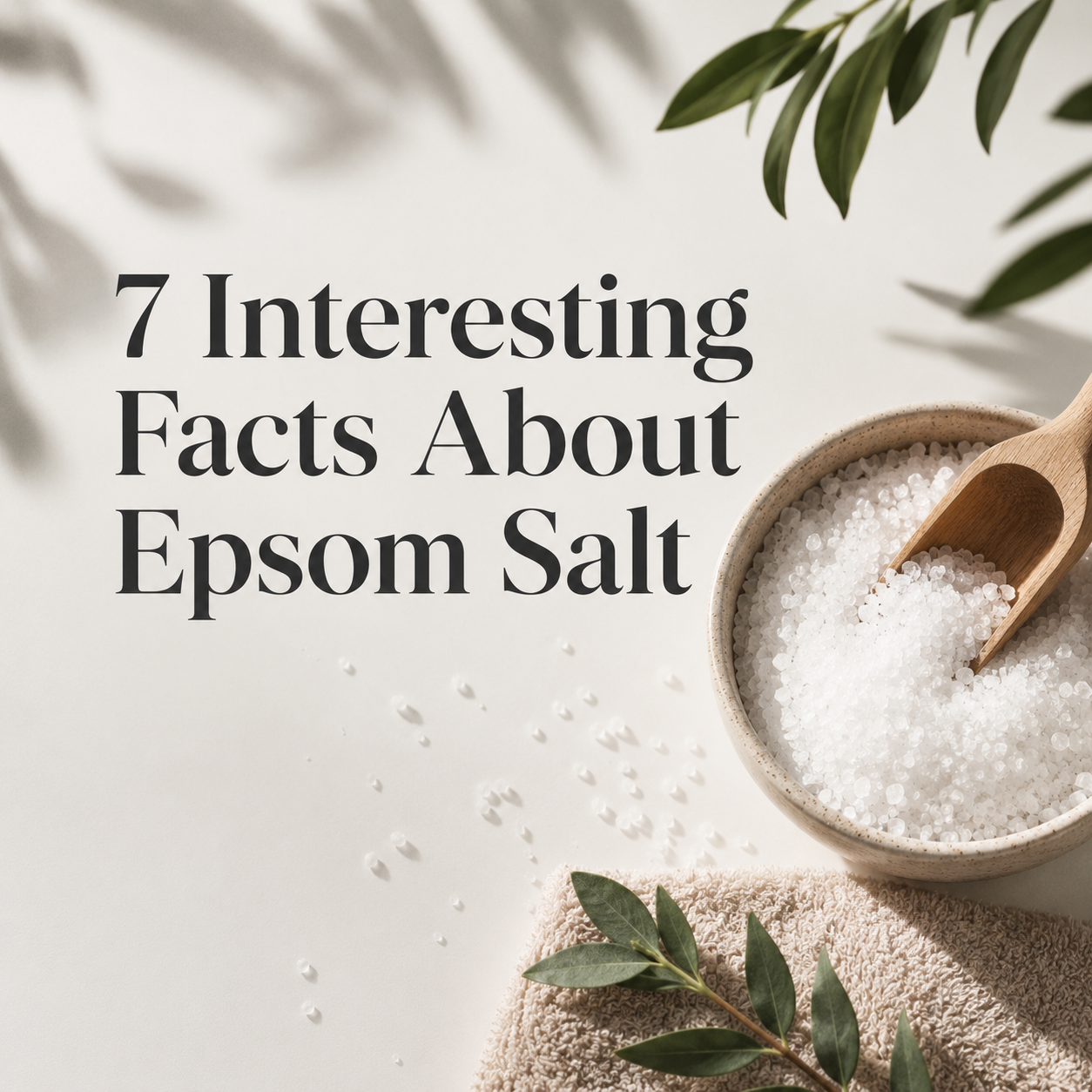
A bag of Epsom salt doesn't look very exciting. It's just a pouch of white crystals sitting on a store shelf. Yet people have been buying it for hundreds of years and still keep it in their bathrooms, gardens, and cleaning cupboards today. So, what makes it so useful?
The answer is surprisingly simple. Epsom salt is magnesium sulfate, a natural mineral with a long list of everyday uses. Once you know what it is and how it works, you'll probably start looking at that simple bag a little differently.
What Makes Epsom Salt Different From Table Salt?
This is probably the biggest surprise about Epsom salt.
The crystals look almost the same as table salt, but they are completely different. Table salt is made from sodium chloride and is used in food. Epsom salt is made from magnesium sulfate and is used for baths, gardening, cleaning, and other household jobs.
|
Table Salt |
Epsom Salt |
|
Made from sodium chloride |
Made from magnesium sulfate |
|
Used in cooking |
Used for baths, gardening, and cleaning |
|
Safe for seasoning food |
Not intended for cooking |
Why Is It Called Epsom Salt?
The name goes back hundreds of years to the town of Epsom in Surrey, England.
People discovered a natural spring there that left white crystals behind after the water dried. Those crystals turned out to be magnesium sulfate, and the mineral became known as Epsom salt.
One thing that surprises many people is that Epsom salt doesn't come from the ocean. The name comes from a place, not from sea salt.
How Does Epsom Salt Dissolve So Quickly?
Drop Epsom salt into warm water and it disappears much faster than many people expect.
That's because magnesium sulfate is highly soluble in warm water. If you're preparing an Epsom salt bath, adding the crystals while the tub is filling helps them dissolve evenly. You won't end up stepping on crystals sitting at the bottom of the bath.
Most brands recommend using one to two cups for a standard bathtub, although it's always worth checking the directions on your package.
Quick Bath Tips
-
Use warm water for faster dissolving.
-
Add the crystals while the water is running.
-
Wait until the salt has dissolved before getting in.
-
Follow the amount printed on the label.
Why Do Gardeners Keep a Bag of Epsom Salt?
Plants need magnesium to produce chlorophyll, the green pigment that helps them use sunlight.
When soil doesn't contain enough magnesium, some plants develop yellow areas between the leaf veins while the veins stay green. Tomatoes, peppers, roses, and a few other plants are known to respond well when magnesium is actually missing.
That last part matters.
Adding Epsom salt for plants works best when the soil is low in magnesium. If the soil already has enough, adding extra won't improve growth. A simple soil test can save time, money, and guesswork.
Does the Size of the Crystals Matter?
Take a look at different brands and you'll notice something interesting. Some bags contain tiny crystals, while others contain much larger ones.
The mineral is exactly the same in both. The only real difference is how quickly they dissolve. Fine crystals disappear faster in warm water, while larger crystals need a little longer.
If your Epsom salt becomes hard after opening the bag, don't throw it away. Magnesium sulfate naturally absorbs moisture from the air, which causes the crystals to stick together. Breaking the lumps apart or adding them to warm water works perfectly well.
What Else Can You Do With Epsom Salt?
One of the reasons people keep buying Epsom salt is because one bag can be useful in different parts of the house.
People commonly use pure Epsom salt for:
-
Relaxing baths
-
Foot soaks
-
Homemade body scrubs
-
Cleaning old flower pots before replanting
-
Removing soap residue from some bathroom surfaces
-
Gardening when soil needs magnesium
Choosing plain, unscented Epsom salt gives you the freedom to use it for different jobs without added fragrance or color getting in the way.
How Should You Store Epsom Salt?
A little care goes a long way.
After opening the bag, seal it tightly or transfer the crystals into an airtight container. Store it somewhere cool and dry. This helps stop moisture from reaching the crystals and keeps them loose instead of turning into one solid block.
It's a small habit that makes every scoop much easier.
What Simple Habits Help You Get Better Results?
Using Epsom salt is straightforward, but a few simple habits can make it even easier.
-
Dissolve it in warm water instead of cold water.
-
Read the label before using it for a new purpose.
-
Choose unscented Epsom salt if you plan to use it around the house.
-
Test your garden soil before applying Epsom salt to plants.
-
Keep the container tightly closed after every use.
These small steps help you get the best use from every bag.
Conclusion
It's easy to overlook a simple bag of white crystals until you find out how many ways it can be used. From warm baths and healthy gardens to everyday household jobs, Epsom salt has earned its place in homes for generations because it is practical, easy to use, and easy to store.
If you're ready to try high quality Epsom salt made from pure magnesium sulfate crystals, take a look at the range from Himalayan Salt Direct. You'll find carefully selected products that fit naturally into your daily routine, whether you're shopping for your home, your garden, or your next relaxing bath.
Frequently Asked Questions
Can Epsom salt expire?
Epsom salt does not expire in the traditional sense because it is a stable mineral compound. If stored in a cool, dry place with the container sealed, it can remain usable for many years. It may form hard lumps after absorbing moisture, but this usually does not affect its quality.
Can you mix Epsom salt with essential oils?
Yes, Epsom salt can be mixed with essential oils for a scented bath. It's best to blend the oil with the Epsom salt before adding it to warm water. This helps distribute the fragrance more evenly instead of letting the oil float on the surface.
Why does Epsom salt become hard after opening?
Epsom salt naturally absorbs moisture from the air. When exposed to humidity, the crystals can stick together and form hard lumps. Keeping the bag tightly sealed or storing it in an airtight container helps prevent this and keeps the crystals loose.