Cart
0
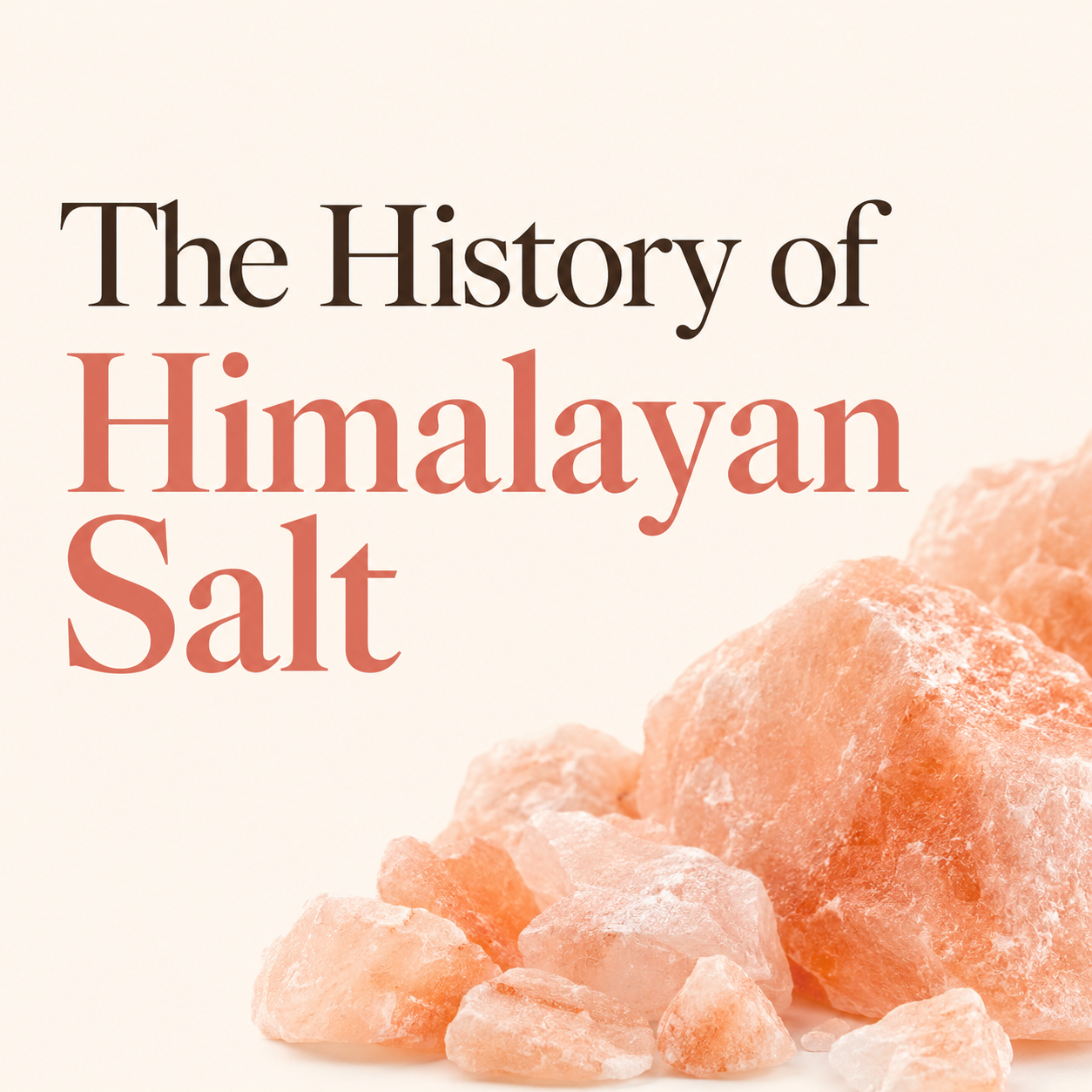
Himalayan salt is sitting in kitchen cabinets, restaurants, spas, and even bedrooms all over the world right now. Some people sprinkle it over fries, some cook steaks on giant salt slabs, and some keep glowing pink salt lamps beside their beds. But the strange part is this salt is older than the Himalayan mountains themselves.
These pink crystals started forming around 250 million years ago from ancient seawater trapped underground in what is now Pakistan. Long before cities, roads, or humans existed, thick salt layers were already buried deep below the earth.
What Is Himalayan Salt?
Himalayan salt is a natural rock salt mined mainly from the Khewra Salt Mine in Pakistan. It is one of the oldest and largest salt mines in the world and produces a huge amount of the authentic Himalayan pink salt sold today.
The salt formed when ancient seas slowly dried up and left thick mineral deposits underground. Over millions of years, rock and clay covered those salt layers and protected them deep inside the earth.
That natural protection is one reason Himalayan crystal salt still keeps its mineral content, texture, and color today.
You’ll usually find Himalayan salt sold as:
-
Fine pink salt for cooking
-
Coarse Himalayan salt for grinders
-
Himalayan salt slabs for grilling
-
Himalayan salt lamps
-
Bath salts and spa products
And yes, all those pink shades are completely natural.
Why Himalayan Salt Is Pink
The pink color comes mainly from iron inside the salt crystals. Small amounts of magnesium, potassium, and calcium also affect the color slightly.
That’s why real Himalayan rock salt never looks perfectly even. Some crystals are pale pink, while others have dark orange streaks or reddish lines running through them.
Large salt blocks can even show layers that look almost like marble patterns. Those layers formed naturally underground over long periods of time.
Actually, perfectly bright pink salt can sometimes be a bad sign. Natural Himalayan salt usually has color variations and small imperfections because it has not been heavily processed.
How Himalayan Salt Was Discovered
One famous story connected to Himalayan salt goes back to Alexander the Great’s army in 326 BC.
During the journey through the region, soldiers noticed their horses licking certain rocks on the ground. After tasting the rocks themselves, they realized those rocks were packed with salt.
That discovery helped turn the area into an important salt mining region.
Back then, salt was extremely valuable because people needed it to preserve food. Refrigerators didn’t exist, so salt helped meat, fish, and vegetables last much longer during storage and travel.
And because everyone needed salt, traders carried Himalayan rock salt through routes connected to South Asia, Persia, and Central Asia.
At one point in history, salt was valuable enough that parts of worker salaries were paid using salt itself. That’s actually where the word “salary” comes from.
Why the Khewra Salt Mine Is So Famous
The Khewra Salt Mine is not just big. It’s massive.
The mine contains hundreds of miles of tunnels underground, and some sections still show hand-cut walls from older mining work.
Mining expanded during the Mughal era and later grew even more under British rule in the 1800s. Railway tracks were added inside the tunnels to move salt more easily, and some of those tracks are still there today.
But the really interesting part is what’s inside the mine.
There are walls, sculptures, decorative buildings, and even a mosque built completely from Himalayan salt bricks. When lights shine through the pink salt walls underground, the whole area glows orange and red.
And the temperature inside the mine stays surprisingly steady throughout the year, even when the weather outside changes.
How Himalayan Salt Is Mined Today
Mining Himalayan salt still involves a lot of manual work. Workers carefully cut giant crystal blocks from underground walls using controlled methods so the salt does not crack too badly.
Large salt pillars are intentionally left behind inside the tunnels to support the mountain safely. This method has been used for many years and helps prevent tunnel collapse.
After extraction, the salt gets cleaned, sorted, and separated by crystal size and color.
Fine Himalayan salt usually goes into cooking products, while larger crystals are prepared for salt grinders, cooking slabs, salt lamps, and bath products.
And surprisingly, different crystal sizes actually change how the salt tastes on food.
Why Himalayan Salt Is Still Popular Today
Himalayan salt stayed popular for centuries because people kept finding new ways to use it.
Today, it’s common in kitchens, restaurants, spas, wellness products, bath salts, home décor, and grilling tools.
But honestly, part of the appeal is also the story behind it. These pink crystals spent millions of years underground before ending up on kitchen counters and dining tables around the world.
And that history gives Himalayan pink salt a completely different feel compared to regular table salt sitting in a cardboard container.
Conclusion
Now when you see Himalayan pink salt in a grinder, glowing lamp, or cooking slab, you know there’s a lot more behind it than color alone. These crystals formed from ancient seas, stayed buried underground for millions of years, and are still mined from the mountains of Pakistan today.
If you want authentic Himalayan salt products that actually come from the source, Himalayan Salt Direct offers natural pink salt for cooking, grilling, salt lamps, bath products, and home décor. Once you use genuine Himalayan salt, the texture, appearance, and quality are easy to notice right away.
FAQs
Is Himalayan salt older than the Himalayan mountains?
Yes, Himalayan salt deposits are older than the Himalayan mountains themselves. The salt formed around 250 million years ago from ancient seawater that dried up and became trapped underground. The Himalayan mountains formed later when tectonic plates pushed against each other and lifted the land upward.
Why does Himalayan salt sometimes look orange or dark pink?
The color changes come from natural mineral content inside the salt. Iron creates pink and orange shades, while other minerals slightly affect the appearance too. Darker crystals usually contain higher mineral concentration compared to lighter pink pieces.
Can Himalayan salt expire over time?
Pure Himalayan rock salt does not expire because bacteria cannot grow inside natural salt crystals. If stored in a dry place away from moisture, Himalayan salt can last for many years without losing its quality.