Cart
0
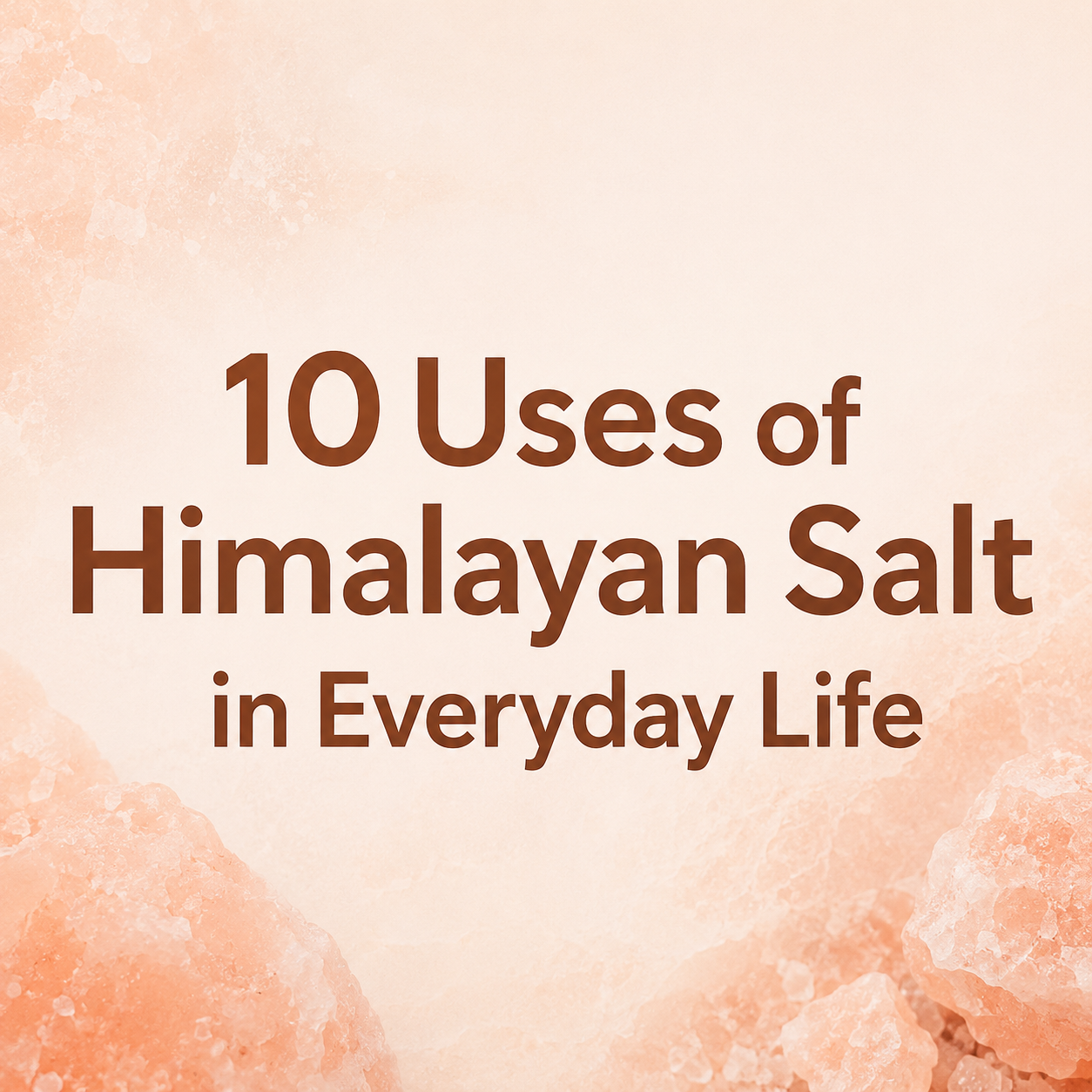
Walk into almost any kitchen today, and you'll probably find a jar of Himalayan pink salt sitting on the shelf. Most of us reach for it when cooking, then put it right back. What many people don't realise is that the same bag of salt can be used in plenty of other practical ways around the home. Once you know where it works best, you'll start reaching for it much more often.
What Makes Himalayan Pink Salt Different from Table Salt?
Himalayan pink salt is a natural rock salt mined from the ancient Salt Range in Pakistan. Its soft pink colour comes from naturally occurring trace minerals, including small amounts of iron.
Unlike regular table salt, which is usually refined and may contain anti-caking agents, natural Himalayan pink salt is generally sold in a more natural form. It is available in fine, coarse, and extra coarse crystals, and each size is suited to different uses.
Choosing the right grain size makes everyday tasks much easier.
-
Fine Himalayan salt dissolves quickly, making it suitable for soups, sauces, baking, and everyday cooking.
-
Coarse Himalayan salt is commonly used in salt grinders, seasoning meat, homemade pickles, and bath soaks.
-
Extra coarse Himalayan salt is often chosen for refill packs, decorative jars, and large grinders.
Store your salt in an airtight container away from steam. Salt naturally absorbs moisture from the air, and a sealed container helps keep the crystals loose and easy to use.
How Can You Use Himalayan Pink Salt in Everyday Cooking?
Cooking is where Himalayan pink salt gets used the most, and for good reason. It works with almost every meal you can think of, from simple breakfasts to weekend family dinners.
You can use it in:
-
Soups and curries
-
Grilled chicken and fish
-
Roasted vegetables
-
Rice and pasta
-
Homemade sauces
-
Eggs and salads
-
Bread and baking recipes
A simple habit can make your food taste better. Instead of adding all the salt at once, season in small amounts while cooking. This gives the salt time to spread through the food, making the flavour more balanced.
If you own a salt grinder, coarse Himalayan rock salt is worth buying because freshly ground crystals give you better control over the seasoning.
How Do You Cook on a Himalayan Salt Block?
A Himalayan salt cooking block brings something different to the table. It can be heated for cooking or chilled for serving, so one block gives you two ways to use it.
After heating it slowly, you can cook:
-
Steak
-
Chicken
-
Fish
-
Prawns
-
Paneer
-
Vegetables
Place the block in the fridge before serving if you're preparing cheese, sushi, smoked salmon, fruit, desserts, or salads. The chilled surface helps keep cold foods cool while creating an eye-catching presentation.
Heat the block gradually instead of placing it over high heat straight away. Salt expands as it warms up, and slow heating helps reduce the chance of large cracks. Small cracks are completely normal after repeated use.
Once it cools, wipe it clean with a damp cloth. Avoid washing it under running water because natural salt slowly dissolves.
Why Do People Add Himalayan Salt to Bath Water?
A warm bath already feels relaxing, and many people enjoy adding Himalayan bath salt as part of that routine.
The crystals dissolve slowly, so adding them while the bath is filling helps them spread through the water. Some people leave the bath plain, while others add a few drops of lavender, eucalyptus, chamomile, or peppermint essential oil for a fresh scent.
After your bath, applying moisturiser while your skin is still slightly damp helps keep it feeling soft.
How Do You Make a Himalayan Salt Body Scrub?
Making a Himalayan salt body scrub takes only a few minutes, and you probably already have everything you need at home.
Mix coarse Himalayan pink salt with coconut oil, olive oil, or sweet almond oil until you get a thick paste. Gently massage it onto damp skin using light circular movements before rinsing with warm water.
The salt helps lift away dry skin while the oil leaves your skin feeling smooth.
Prepare small batches instead of making a large jar. Fresh oils stay in better condition, and keeping the container tightly closed stops moisture from reaching the salt.
Avoid using the scrub on cuts, irritated skin, or freshly shaved areas.
How Does a Himalayan Salt Lamp Fit into Everyday Life?
A Himalayan salt lamp is one of the easiest ways to add warm lighting to a room.
Many people place one beside the bed, on a desk, or in a reading corner because the soft orange glow feels comfortable during the evening.
If you live somewhere humid, you may notice the lamp feels slightly damp after being switched off for a while. This happens because salt naturally attracts moisture. Turning it on for a few hours usually dries the surface again.
Placing the lamp on a small tray is a simple way to protect wooden furniture.
How Is Himalayan Salt Used for Pickling and Food Preservation?
People have been preserving food with salt for centuries, and coarse Himalayan pink salt is still used in many homemade recipes today.
It is commonly used for:
-
Homemade pickles
-
Fermented vegetables
-
Traditional curing recipes
-
Salt-based food preservation
Many people prefer natural Himalayan salt for pickling because it contains no added anti-caking agents.
Keep in mind that salt does not replace refrigeration. Fresh foods such as meat and seafood should still be stored safely in the fridge.
Measuring salt by weight instead of spoonfuls also makes recipes easier to repeat with the same results every time.
What Is Sole Water Made with Himalayan Salt?
Sole water is made by adding coarse Himalayan salt to clean water until the salt stops dissolving.
Once the solution is ready, only a small amount is mixed into a glass of plain drinking water.
Store sole water in a glass jar with a wooden or plastic lid because salt can slowly react with metal.
Since Himalayan salt contains sodium, anyone following a low-sodium diet or managing certain medical conditions should speak with a healthcare professional before making it part of a daily routine.
How Can You Serve Food on Himalayan Salt Plates?
Serving food on a Himalayan salt plate is an easy way to make everyday meals look special without changing the recipe.
Cold foods such as cheese, fruit, smoked salmon, butter, sushi, desserts, and salads work especially well because the chilled plate helps keep them cool.
A warmed salt slab can also be used to serve grilled meat straight from the barbecue or oven.
Every plate has its own natural colour and pattern, so no two pieces look exactly alike.
How Do You Make Homemade Seasoning Blends?
Making your own seasoning mix lets you adjust the flavour exactly the way you like it.
Mix Himalayan pink salt with:
-
Garlic powder
-
Onion powder
-
Black pepper
-
Smoked paprika
-
Rosemary
-
Oregano
-
Thyme
-
Chilli flakes
-
Lemon zest
You can create different blends for grilled chicken, seafood, vegetables, fries, barbecue recipes, or even popcorn.
Store each blend in an airtight glass jar away from sunlight and heat. Adding the date to the label makes it easy to know when it's time to prepare a fresh batch.
How Can Himalayan Pink Salt Be Used for Homemade Gifts?
Homemade gifts do not have to be expensive to feel thoughtful, and Himalayan salt makes that easy.
Some simple ideas include:
-
Herb salt in glass jars
-
Garlic salt
-
Chilli salt
-
Barbecue seasoning
-
A Himalayan salt grinder paired with olive oil
-
A small cooking gift basket with wooden utensils
These gifts are practical, easy to prepare, and suitable for birthdays, housewarming parties, festive celebrations, or anyone who enjoys cooking.
Conclusion
A bag of Himalayan pink salt can be useful in far more ways than seasoning dinner. It can become part of your cooking, homemade spice blends, pickling recipes, bath routine, food presentation, and even thoughtful handmade gifts. Once you know which type of salt works best for each job, you'll get much more value from every pack.
If you're looking for premium Himalayan pink salt in the UK, explore the collection at Himalayan Salt Direct today!
Frequently Asked Questions
Is Himalayan pink salt healthier than regular table salt?
Himalayan pink salt contains trace minerals that give it its natural colour, while regular table salt is usually more refined. Both are sources of sodium, so the best choice depends on your cooking preferences. Like any edible salt, Himalayan pink salt should be used in moderation.
Can you use Himalayan pink salt in baking?
Yes. Fine Himalayan pink salt works well in baking because it dissolves easily into doughs and batters. If a recipe calls for table salt, you can usually substitute it with fine Himalayan salt, adjusting the amount slightly if the crystal size is different.
What foods taste best with Himalayan pink salt?
Himalayan pink salt pairs well with grilled meat, seafood, roasted vegetables, eggs, soups, pasta, fresh salads, and homemade bread. It is also commonly used as a finishing salt to add a light crunch and clean flavour just before serving.
Can Himalayan pink salt be used in a salt grinder?
Yes. Coarse Himalayan pink salt crystals are ideal for refillable salt grinders. Grinding the salt fresh gives you better control over the amount and texture added to your food.