Cart
0
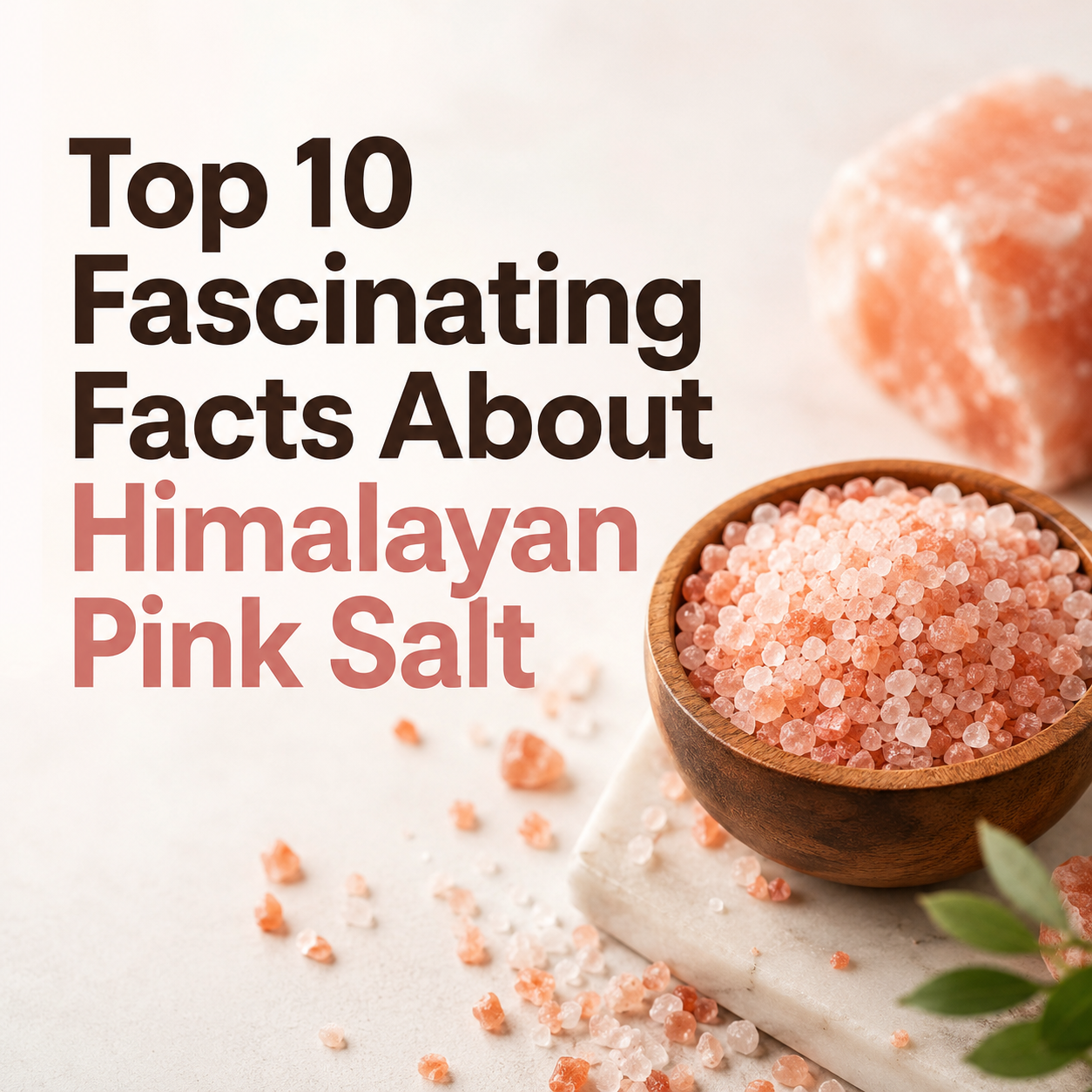
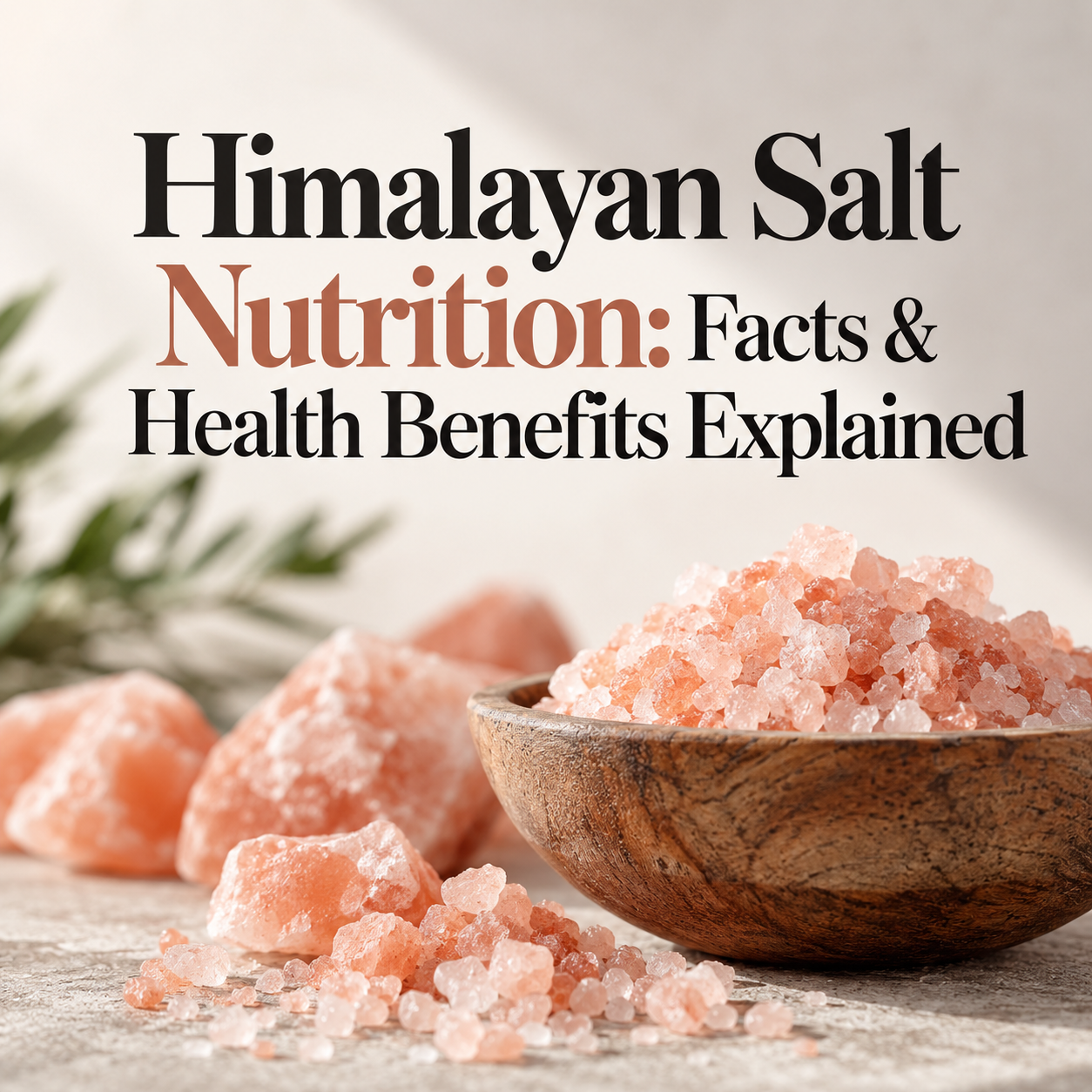
Himalayan pink salt is a natural rock salt from Pakistan that formed around 250 million years ago. Its pink color comes from natural minerals, and its different grain sizes make it useful for everything from everyday cooking to gourmet recipes.
A pinch of Himalayan pink salt looks simple, yet every crystal carries a story that started long before dinosaurs walked the Earth. That soft pink color isn't there by chance, and neither is its growing popularity in kitchens around the world. If you've ever wondered what makes Himalayan pink salt different, you're about to find out.
What Is Himalayan Pink Salt?
Himalayan pink salt is a natural rock salt mined from the Salt Range in Punjab, Pakistan. It formed when an ancient inland sea slowly dried up millions of years ago. Thick layers of rock later covered the salt, protecting it deep underground until it was mined.
Today, food-grade Himalayan pink salt is available in fine, coarse, and extra coarse grain sizes. It is widely used for cooking, baking, seasoning, spice blends, salt grinders, and food manufacturing.
Where Does Himalayan Pink Salt Come From?
Many people think Himalayan pink salt is mined directly from the Himalayan mountains. It actually comes from the Salt Range in Punjab, Pakistan, which is close to the Himalayan region.
The best-known source is the Khewra Salt Mine, one of the oldest and largest salt mines in the world. It has supplied authentic Himalayan pink salt for hundreds of years and continues to export it across the globe.
If you're shopping for genuine Himalayan salt, checking the country of origin is one of the easiest ways to know what you're buying.
1. Himalayan Pink Salt Is Older Than the Dinosaurs
Here's something that really puts its age into perspective.
Himalayan pink salt formed around 250 million years ago. Dinosaurs didn't appear until roughly 20 million years later. By the time the first dinosaurs arrived, these salt deposits were already sitting underground.
That incredible timeline is one reason Himalayan rock salt is often called one of nature's oldest edible minerals.
2. Every Crystal Gets Its Color Naturally
The pink shade isn't added after mining. It develops naturally while the salt forms underground.
Tiny amounts of iron give the crystals their familiar pink color. Other naturally occurring minerals create slight changes in shade, which is why some crystals are pale pink while others look orange, red, or almost white.
Pick up two handfuls of coarse Himalayan salt and you'll probably notice they don't look exactly the same. That's completely natural.
3. It Is Mostly Sodium Chloride
Many articles make it sound like Himalayan pink salt is packed with minerals. The truth is much simpler.
Like sea salt and regular table salt, Himalayan pink salt is mostly sodium chloride. It also contains small amounts of minerals such as iron, potassium, calcium, and magnesium. These minerals give the salt its color and can slightly change its flavor, though they are present in small amounts.
A balanced diet is still the best way to get these nutrients.
4. Grain Size Changes the Way You Cook
The size of the crystal changes how quickly the salt dissolves, and that changes how it works in different recipes.
-
Fine Himalayan pink salt dissolves quickly, making it a great choice for soups, sauces, baking, and everyday meals.
-
Coarse Himalayan pink salt works well in salt grinders and is often sprinkled over grilled meat, roasted vegetables, seafood, and salads.
-
Extra coarse Himalayan salt is commonly used in larger grinders and some commercial food applications.
Many professional kitchens keep several grain sizes because each one has its own purpose.
5. Darker Pink Doesn't Mean Better Quality
It is easy to assume darker crystals are better, though that isn't how Himalayan salt works.
The color depends on the amount of naturally occurring minerals found in each section of the salt deposit. Genuine Himalayan pink salt can be light pink, dark pink, orange, or nearly white.
A reliable supplier and the country of origin tell you much more about quality than the shade of the crystals.
6. Every Crystal Is Sorted Before It Reaches Your Kitchen
After mining, Himalayan pink salt goes through a grading process.
The crystals are sorted by:
-
Grain size
-
Color
-
Intended use
Smaller crystals become fine cooking salt. Medium crystals are packed for grinders, while larger pieces are cut into cooking slabs, decorative tiles, candle holders, and Himalayan salt lamps.
That sorting process helps every product perform the way it was designed to.
7. It Is Used in More Places Than You Might Think
Cooking is the most common use for Himalayan pink salt, though it doesn't stop there.
You'll also find it in:
-
Homemade spice blends
-
Meat rubs
-
Marinades
-
Baking recipes
-
Salt grinders
-
Cooking slabs
-
Bath products
-
Decorative salt lamps
Different products are processed for different purposes, so food-grade Himalayan salt should always be used for cooking.
8. Salt Blocks Can Stay Hot or Cold for a Long Time
Large Himalayan salt blocks are popular because they hold their temperature surprisingly well.
After heating slowly, they can be used for steak, shrimp, vegetables, chicken, and fish. Chill the same block in the refrigerator, and it becomes a serving plate for cheese, fruit, sushi, desserts, or cold appetizers.
Heating the block gradually helps reduce the chance of cracks caused by sudden temperature changes.
9. Humid Weather Can Change the Way It Looks
Have you ever opened a bag of Himalayan salt and noticed the crystals sticking together?
That usually happens because the salt has absorbed moisture from the air. Since many food-grade Himalayan salts do not contain anti-caking agents, this is completely normal.
Keeping the salt in an airtight container away from steam is usually all it takes to keep it dry.
10. Genuine Himalayan Pink Salt Comes From Pakistan
Today, several countries produce pink-colored salt. Genuine Himalayan pink salt comes only from the Salt Range in Pakistan.
When buying Himalayan salt for your kitchen or business, look for products that clearly mention Pakistan as the country of origin. This simple step helps you choose authentic food-grade Himalayan pink salt.
Final Thoughts
Himalayan pink salt has been part of the Earth for around 250 million years, and people are still finding new ways to use it. From its ancient origin to its natural colors and versatile grain sizes, every crystal has a story worth knowing. Once you understand how it is formed and how each grain size works, choosing the right Himalayan salt becomes much easier.
Ready to bring authentic Himalayan pink salt into your kitchen or business? Himalayan Salt Direct sources premium food-grade Himalayan pink salt directly from Pakistan and offers fine, coarse, and custom grain sizes for retailers, wholesalers, food manufacturers, and home cooks. Explore our collection today and get genuine Himalayan rock salt straight from its source.
Frequently Asked Questions
Can Himalayan pink salt expire?
No, Himalayan pink salt does not expire when stored properly. Since it is a natural mineral rather than a processed food, it has an extremely long shelf life. Keep it in a dry, airtight container to prevent moisture from causing the crystals to clump together.
Why do some Himalayan pink salt crystals look darker than others?
The color of Himalayan pink salt depends on the amount of naturally occurring minerals in each crystal. Some pieces appear light pink, while others may be orange, red, or almost white. This natural variation does not automatically indicate better or lower quality.
Why does Himalayan pink salt become wet or hard in humid weather?
Himalayan pink salt naturally absorbs moisture from the air, especially in humid environments. This can cause the crystals to stick together or feel damp. Storing the salt in an airtight container in a cool, dry place helps keep it free-flowing.
Can Himalayan pink salt be used in everyday cooking?
Yes, Himalayan pink salt can replace regular table salt in most recipes. It works well for seasoning vegetables, meat, seafood, soups, rice, pasta, homemade spice blends, and baked dishes. Choosing the right grain size gives the best cooking results.