Cart
0
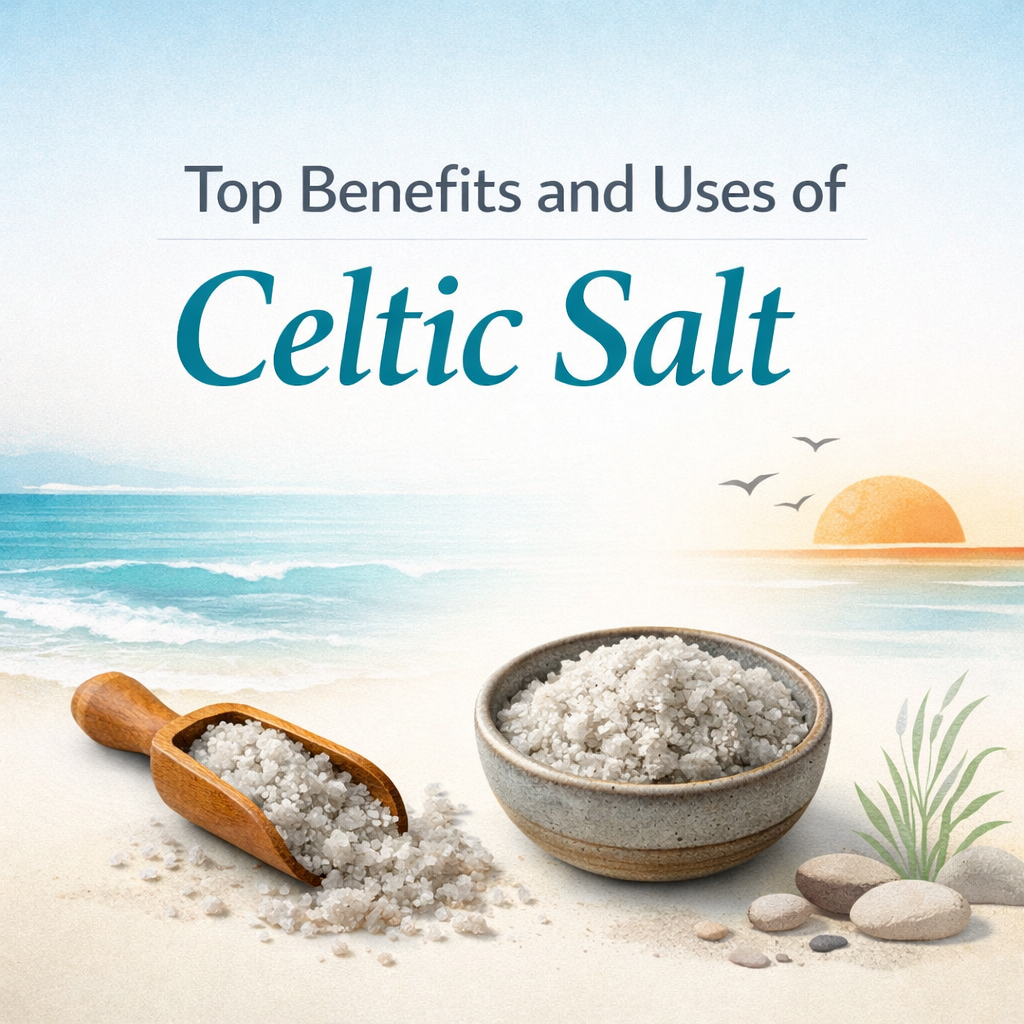
If you are thinking about switching your salt, you probably want one clear answer. Could Celtic salt be more beneficial for cooking and daily use, or is it simply a trend?
Celtic salt is a natural, unrefined sea salt that keeps trace minerals and a light moisture level. It works well for cooking, hydration, and simple home use. The difference shows up in taste, texture, and how your body responds to it in small daily habits.
This guide explains exactly how it works, where to use it, and what to expect so you can decide if it fits your routine.
What is Celtic salt and why is it different from table salt
Celtic salt is a type of sea salt that’s collected from coastal salt beds and dried naturally using sun and air. That’s why it has that light grey color and slightly damp texture. It hasn’t been heavily processed, so it keeps its natural form.
Regular table salt goes through refining and often has additives added to keep it dry and free-flowing. Celtic salt skips all that. What you get is a more natural version of salt, closer to how it exists in nature.
One thing to keep in mind is iodine. Table salt usually has it added, while Celtic salt doesn’t. You can easily get iodine from foods like eggs, dairy, and seafood, so it’s not a problem if your diet already includes those.
Why Celtic salt makes food taste better
Celtic salt has a softer, more rounded taste. It doesn’t hit your tongue all at once like regular salt sometimes does.
Because it holds a bit of moisture, it spreads more evenly on food. That means your dish feels properly seasoned without needing a lot.
A small trick that works really well is adding it at the end. Sprinkle a little on eggs, fries, vegetables, or grilled meat right before eating. It gives that fresh, balanced taste that’s hard to miss.
How to use Celtic salt for hydration and energy
If you’ve ever felt tired, low on energy, or slightly off during the day, hydration could be the reason. Water alone helps, but your body also needs electrolytes.
Celtic salt contains small amounts of natural electrolytes like sodium, magnesium, and potassium. Adding a pinch to your water can help your body use that water better.
A simple mix you can try:
-
One glass of water
-
A small pinch of Celtic salt
-
A squeeze of lemon
This works well in the morning or after a workout. It’s quick, simple, and easy to stick with.
How Celtic salt helps maintain electrolyte balance
When you sweat, you lose salt. If you only drink plain water, you might still feel tired or low.
Adding a pinch of Celtic salt to one or two glasses of water during the day can help keep things balanced. This is especially useful if you go to the gym, walk a lot, or spend time in the heat.
It’s one of those small habits that doesn’t take effort but makes a noticeable difference.
Can Celtic salt help with digestion
Salt plays a role in how your stomach breaks down food. A small amount before meals can help your body get ready for digestion.
You can place a tiny pinch of Celtic salt on your tongue and drink a little water after. It’s simple and takes a few seconds.
This can be helpful on days when food feels heavy or slow to digest. No need to overdo it. A small amount is enough.
Using Celtic salt for skin and bath care
Fun Fact: Celtic salt can also be used for basic self-care!
Adding a handful to warm bathwater and soaking for 15 to 20 minutes can help you relax after a long day. It also leaves your skin feeling clean and refreshed.
For a quick scrub, mix the salt with a little oil and gently rub it on your skin. Rinse it off and you’ll notice your skin feels smoother right away.
Why it works well for pickling and fermentation
If you enjoy homemade food like pickles or fermented vegetables, the type of salt you use matters.
Celtic salt doesn’t contain additives, which makes it suitable for these processes. It supports natural fermentation without interfering with it.
You can use it for pickling cucumbers, fermenting cabbage, or even curing meat at home.
How much Celtic salt should you use daily
Even though Celtic salt is natural, it’s still salt. The amount should stay balanced.
Use it the same way you would use regular salt in your meals. If you’re active and sweat a lot, you may need slightly more. If not, keep it moderate.
There’s no need to increase your intake just because it’s a different type of salt.
How to store Celtic salt properly
Because it holds some moisture, storage matters.
Keep it in a glass or ceramic container with a loose lid. This helps maintain its texture. If it clumps, you can break it easily with a spoon. It’s still perfectly fine to use.
Does Celtic salt contain iodine
Celtic salt does not contain added iodine. Your body still needs iodine, so it should come from your diet.
Foods like eggs, dairy, and seafood are good sources. As long as you include these, you’re covered.
When it makes sense to switch to Celtic salt
If you cook at home and want a more natural ingredient, Celtic salt fits in easily. It doesn’t require any complicated changes.
You can start by replacing your regular salt and using it in your meals. Add it to water when needed and use it in simple ways that feel natural.
Final thoughts
Celtic salt is a practical choice if you want a less processed salt for cooking and daily use. It fits into your routine without adding complexity.
If you want to switch to a cleaner option, Himalayan Salt Direct offers high-quality Celtic salt that you can start using right away. Try it in your next meal or add a pinch to your water and see how it works for you.
FAQs
Is Celtic salt better than Himalayan salt for daily use?
Celtic salt and Himalayan salt are both natural, but they differ in texture and use. Celtic salt holds slight moisture, which helps it dissolve faster and blend better in cooking and water. Himalayan salt is dry and works well as a finishing salt. For hydration and daily cooking, many people prefer Celtic salt because it mixes easily.
Can you use Celtic salt in drinking water every day?
You can use a small pinch of Celtic salt in water daily, especially if you sweat or live in a hot climate. It helps support hydration by providing natural electrolytes. The key is to keep the amount low. A pinch per glass is enough and should not be overused.
Does Celtic salt raise blood pressure like regular salt?
Celtic salt still contains sodium, so it can affect blood pressure if consumed in high amounts. The difference is in processing and trace minerals, not sodium content. It should be used in moderation just like regular salt, especially if you are monitoring your sodium intake.