Cart
0
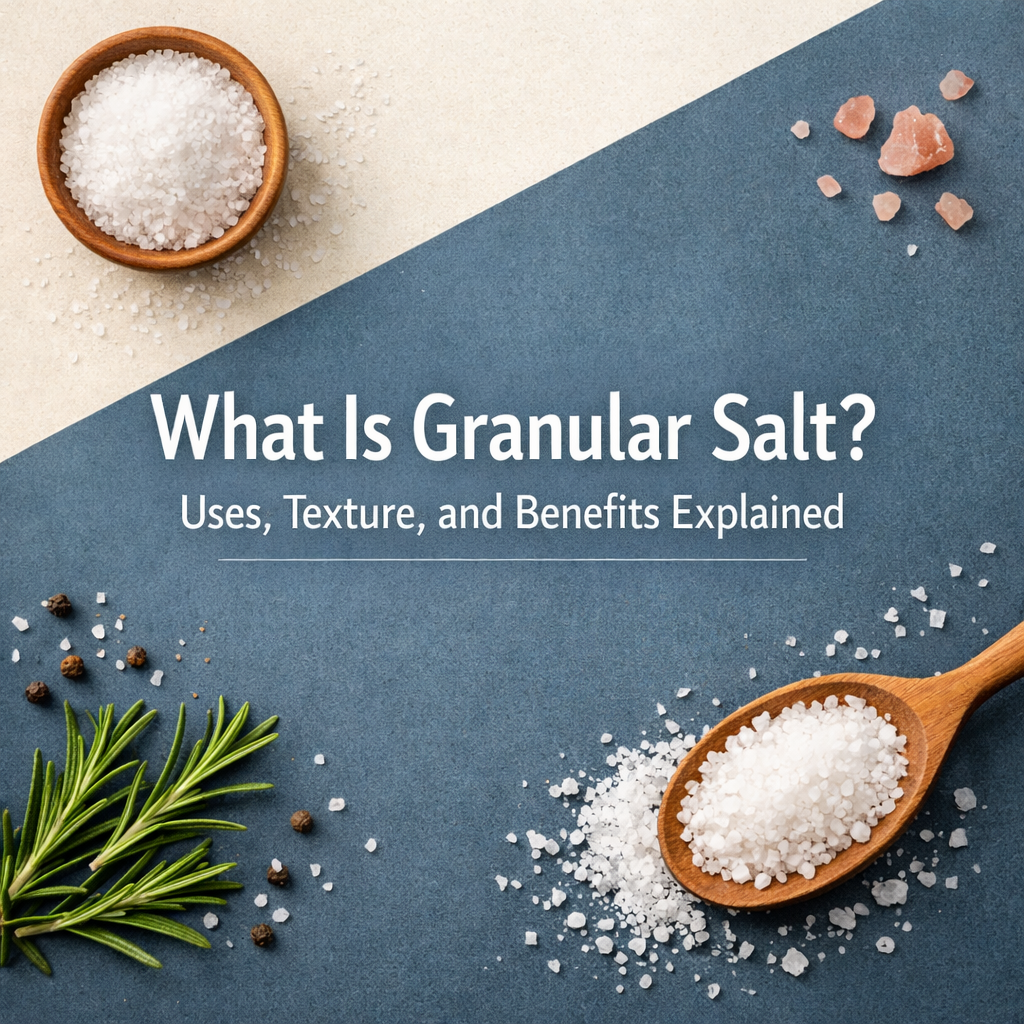
Salt is part of almost every meal, whether it is sprinkled while cooking or added right before serving. Still, not all salt behaves the same way. Some dissolve too fast, some feel rough, and some are harder to control. This is where granular salt stands out.
Granular salt is the kind of salt that feels natural to use. It flows easily, spreads evenly, and gives you control without effort. Once you start cooking with it regularly, it becomes clear why so many kitchens rely on this salt every day.
What granular salt means in everyday cooking
Granular salt refers to salt made up of medium-sized crystals. The grains are visible and easy to handle, yet small enough to dissolve properly during cooking. They are not powdery like table salt and not chunky like coarse salt.
When sprinkled over food, granular salt spreads evenly instead of falling in one spot. As food heats up and releases moisture, the salt dissolves at a steady pace. This helps flavor move through the dish smoothly.
Granular salt can come from sea salt, rock salt, or Himalayan pink salt. Himalayan granular salt is easy to recognize because of its soft pink shade, which comes from natural minerals found in the salt.
Texture of granular salt and why it feels easier to use
The texture of granular salt plays a big role in how comfortable it feels while cooking. The grains are easy to feel between your fingers, which helps you season food more accurately by hand.
-
The medium-sized grains spread evenly instead of falling in one spot
-
The salt dissolves gradually, giving time to taste and adjust while cooking
-
The texture stays smooth, without the harsh crunch found in coarse salt
-
Granular salt adds a light, pleasant texture and taste to foods like roasted vegetables, eggs, and grilled meats
This balance between texture and control is why many cooks find granular salt easier to work with every day.
How granular salt is made
Granular salt is made by breaking larger salt crystals and sorting them into a controlled size range. This sorting process keeps the grains consistent so they flow smoothly and dissolve evenly.
For Himalayan granular salt, the process begins at the mine. The salt is washed with water to remove surface impurities, dried, and then graded by crystal size. No bleaching or chemical treatment is used.
This method keeps the salt close to its natural form and helps it stay free flowing during storage.
How granular salt behaves during cooking
Granular salt reacts to heat and moisture in a steady and predictable way. When added early, it dissolves slowly and mixes with the juices released from food. This allows seasoning to spread evenly instead of staying only on the surface.
During roasting or pan cooking, granular salt helps draw surface moisture at a controlled pace. This supports even browning while keeping food from drying out too quickly. This works well for vegetables, chicken, fish, and meats.
When added later in cooking, granular salt blends smoothly into soups, sauces, and gravies. It allows final seasoning without sudden changes in taste.
Using granular salt in baking and dough
Granular salt works well in baking because it blends evenly with dry ingredients like flour. Fine salt can dissolve too quickly once liquid is added. Coarse salt may remain undissolved inside the dough.
Granular salt spreads gradually as dough absorbs moisture. This helps distribute flavor evenly in bread, pizza dough, flatbreads, and savory baked items.
It also supports steady yeast activity, which helps dough rise in a balanced way.
Granular salt compared to table salt
Table salt is finely ground and usually contains anti-caking agents. It dissolves very fast, which can make it easy to add too much salt without noticing.
Granular salt dissolves more gradually and spreads more evenly. It also absorbs less moisture, so it stays free flowing for longer periods.
When switching from table salt to granular salt, using a slightly larger pinch often gives better control and smoother flavor.
Granular salt compared to coarse salt
Coarse salt has large crystals that dissolve slowly and add strong texture. It is commonly used for curing, grinding, or surface salting.
Granular salt offers a softer and more balanced texture for daily cooking. It blends well into food and works across many cooking styles.
For anyone looking for one salt that fits most kitchen needs, granular salt is usually the easier option.
How to store granular salt properly
Granular salt stores well because it does not absorb moisture as quickly as fine salt. Keeping it in a dry, sealed container helps maintain its texture.
Glass jars, ceramic containers, or food-grade plastic containers all work well. Storing salt away from steam and heat sources helps preserve quality.
When stored properly, granular salt stays usable for a very long time.
Simple ways to use granular salt better
Sprinkling granular salt from a slight height helps spread the grains evenly across food. This improves balance during seasoning.
Adding salt earlier during cooking allows flavors to develop smoothly. Small adjustments near the end help fine tune taste.
When switching from fine salt, start with a slightly larger pinch and taste gradually. Granular salt builds flavor steadily instead of all at once.
Why granular salt fits everyday cooking
Granular salt works well for boiling, roasting, frying, baking, and finishing. Its grain size allows control, even distribution, and stable storage.
Himalayan granular salt adds natural color and mineral character while staying easy to use. This is why it is commonly used in both home kitchens and professional food preparation.
Conclusion
Granular salt is salt with medium-sized crystals that spread evenly and dissolve at a steady pace. It works well for cooking, baking, and table use without the problems linked to very fine or very coarse salt. Himalayan granular salt keeps its natural minerals and clean structure while remaining easy to handle.
If you want a salt that feels right in your hand and works well in every dish, Himalayan Salt Direct offers carefully graded granular salt made for everyday cooking. A small change in salt can make cooking feel simpler and more consistent, meal after meal.
FAQs
What is granular salt used for in everyday cooking?
Granular salt is used for daily cooking tasks like seasoning vegetables, meats, soups, rice, and pasta. Its medium-sized grains spread evenly and dissolve steadily, which helps control salt levels during cooking. Many people also use it at the table because it flows easily and does not clump.
Is granular salt better than table salt for home kitchens?
Granular salt is often preferred in home kitchens because it gives better control while seasoning. Table salt dissolves very quickly and can make food salty before you notice. Granular salt melts more slowly, making it easier to adjust taste as you cook.
Can granular salt be used in baking recipes?
Granular salt works well in baking, especially for bread, pizza dough, and savory baked items. It mixes evenly with flour and dissolves gradually as dough absorbs moisture. This helps distribute flavor evenly and supports stable yeast activity.
Does granular salt dissolve completely during cooking?
Granular salt dissolves fully during cooking when heat and moisture are present. The grains melt at a steady pace rather than instantly, which helps spread seasoning evenly through food. This makes it suitable for both long and short cooking times.