Cart
0
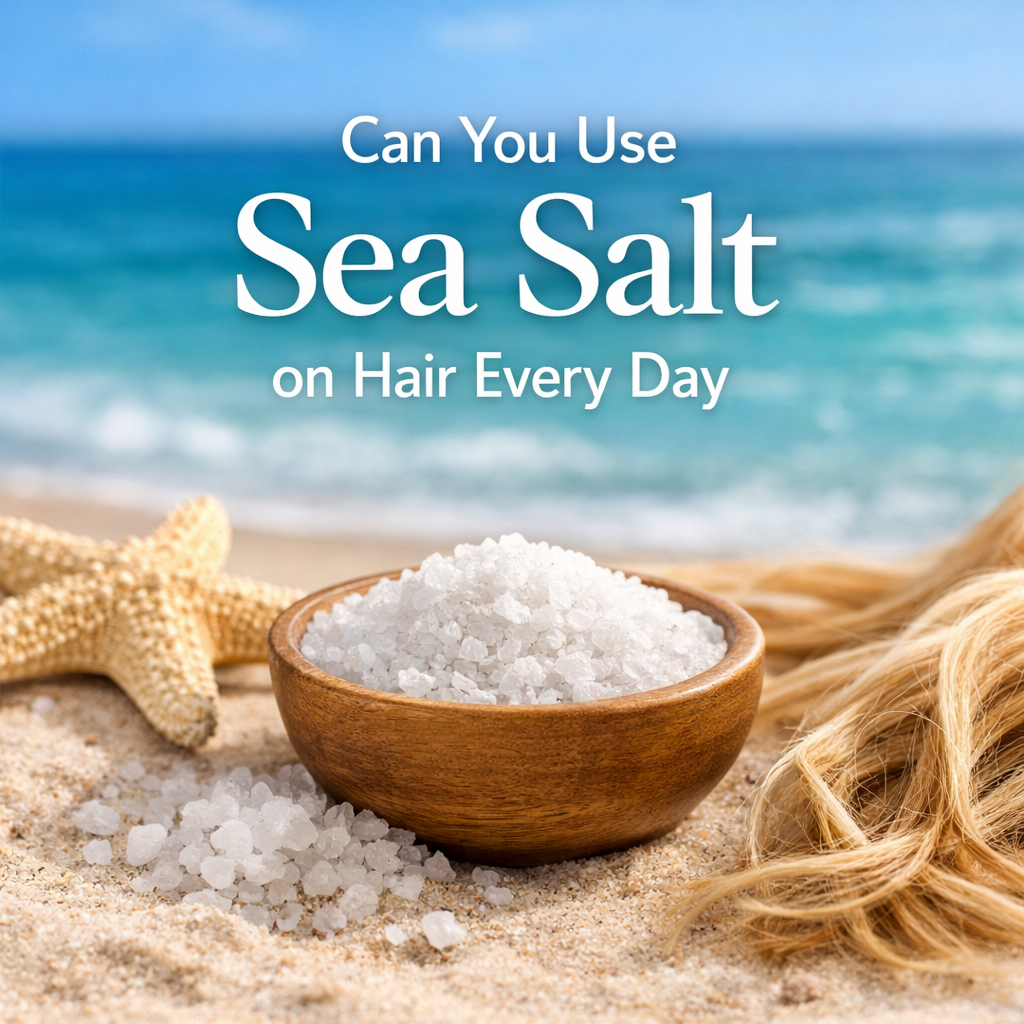
Sea salt has a way of making hair feel fresh, light, and easy to style. One spray and suddenly hair has grip, volume, and that relaxed texture people love. Because it works so well, many people start using sea salt regularly without thinking much about it. After a while, a simple question comes up in the mirror. Is it okay to use sea salt on hair every day?
The answer matters because sea salt changes how hair and scalp behave over time. Used the right way, it can improve texture and freshness. Used too often, it can quietly dry out hair and create scalp problems. This guide breaks it all down in a clear, practical way so you know exactly what to do and what to avoid.
How Sea Salt Works on Hair and Scalp
Sea salt absorbs moisture. When it touches hair, it pulls water and natural oils from the surface of each strand. This is why hair feels thicker and more textured after using sea salt spray.
On the scalp, sea salt helps lift oil, sweat, and styling buildup. This leaves the scalp feeling clean and refreshed. Hair looks lighter and less greasy.
The same process can cause issues when repeated too often. Hair and scalp both rely on natural oils for comfort and protection. When sea salt keeps removing them, dryness slowly builds up.
Can You Use Sea Salt on Hair Every Day
Using sea salt on hair every day usually leads to dryness over time. Hair may look great in the beginning, but daily use keeps pulling moisture out of the hair shaft.
After a few weeks, hair can start feeling rough and stiff. Ends may split faster, and hair can lose its shine. The scalp may feel tight, itchy, or flaky.
Even oily scalps react eventually. When oil is removed too often, the scalp tries to fix it by producing more oil. This can make hair feel greasy at the roots and dry at the ends at the same time.
How Sea Salt Affects Different Hair Types
Sea salt does not behave the same way on every hair type.
Fine hair responds quickly to sea salt. Volume appears fast, but moisture is lost just as quickly. Frequent use can make fine hair weak and flat over time.
Curly hair already needs more moisture to stay soft and flexible. Sea salt can improve curl shape at first, but repeated use often leads to frizz and stiffness.
Thick or coarse hair may tolerate sea salt longer, but dryness still builds without conditioning. Hair may feel rough and harder to manage.
Color treated and chemically processed hair is the most sensitive. Sea salt lifts the hair cuticle, which fades color faster and weakens strands.
How Often Should You Use Sea Salt on Hair
Most people get the best results using sea salt one to two times a week. This keeps hair fresh and textured without drying it out.
Dry, curly, or treated hair should use sea salt less often, around once every ten to fourteen days. Oily hair may handle up to three times a week, but daily use is still not recommended.
Sea salt works best as an occasional styling aid, not a daily habit.
How to Use Sea Salt Without Drying Hair
The way sea salt is applied matters just as much as how often it is used.
Applying sea salt to damp hair helps slow moisture loss. Dry hair absorbs salt faster and dries out more.
Diluting sea salt with water, aloe vera, or a light leave-in conditioner makes it gentler on hair. Scrubbing raw salt into the scalp every day can cause irritation, so light application works better.
Rinsing hair well after raw sea salt treatments is important. Salt left behind continues to pull moisture out throughout the day.
Why Hair Feels Dry After Using Sea Salt
When hair feels stiff or rough after using sea salt, it is dehydrated. Sea salt keeps drawing moisture out even after styling is done.
This dryness usually shows up at the ends first. Hair tangles more easily and feels harder to style. Adding more sea salt makes the problem worse.
Cutting back on frequency and adding moisture with conditioner or a light hair oil usually restores balance quickly.
Does Sea Salt Help Hair Growth
Sea salt does not make hair grow faster. Hair growth depends on healthy follicles and a balanced scalp.
Sea salt helps by keeping the scalp clean. Removing buildup allows follicles to function normally, which supports healthy growth.
Using sea salt too often irritates the scalp, which can slow growth instead. Balanced use keeps the scalp comfortable and healthy.
Sea Salt Compared to Other Hair Styling Products
Sea salt creates texture by drying hair slightly. Other products work differently.
Sugar-based sprays attract moisture and feel softer on hair. Clay-based products absorb oil without pulling as much water from the hair shaft.
Sea salt gives a natural, beach-style texture, but it needs moisture afterward. Switching between products helps prevent dryness.
When Sea Salt Works Best on Hair
Sea salt works well when hair feels oily, flat, or heavy. It is useful before styling or in humid weather when hair needs grip.
It works less well when hair already feels dry, during cold weather, or after frequent heat styling. Paying attention to how hair feels after use helps decide when to apply it again.
Final Thoughts
Sea salt can be a helpful part of a hair routine when used with care. Daily use often removes too much moisture and leads to dryness over time.
Using sea salt occasionally, applying it gently, and restoring moisture keeps hair healthy, textured, and easy to manage.
If you enjoy the way sea salt makes your hair look and feel, the goal is balance, not overuse. Choosing clean, natural salt and using it the right way makes all the difference. Himalayan Salt Direct offers carefully sourced salt options suitable for personal care and everyday routines. Start with quality ingredients and let your hair show the results.
FAQs
Can sea salt damage hair permanently if used too often?
Sea salt does not cause permanent damage on its own, but frequent use can weaken hair over time. When moisture is repeatedly pulled out, hair becomes dry and more likely to break. If usage is reduced and moisture is restored through conditioning, hair usually recovers well.
Can sea salt cause dandruff or flakes?
Sea salt does not directly cause dandruff, but overuse can dry the scalp. A dry scalp may flake, which looks similar to dandruff. Reducing frequency and adding scalp moisture often clears this issue.
Should sea salt be applied before or after washing hair?
Sea salt works best on clean, damp hair after washing. Applying it to dirty hair can mix salt with oil and buildup, which may irritate the scalp. Clean hair also allows better texture and more even results.
Can sea salt be used on children or sensitive scalps?
Sea salt is not ideal for daily use on sensitive scalps or children. Their scalp barrier is more delicate and dries out faster. Occasional, diluted use may be fine, but regular application should be avoided.
Can sea salt make hair thinner over time?
Sea salt does not thin hair at the root, but dryness can cause breakage along the strands. This makes hair look thinner, especially at the ends. Proper hydration and limited use prevent this effect.
Can sea salt be mixed with oils for hair use?
Sea salt can be mixed with oils or aloe vera to reduce dryness. This combination helps balance oil removal while protecting moisture. Mixing salt with oil also makes it gentler on the scalp.
How long should sea salt stay on hair?
Sea salt does not need to stay on hair for long periods. For sprays, it can stay until the next wash. For raw salt treatments, rinsing after a short time prevents excess moisture loss and scalp irritation.